Maytag dishwasher repair knowledge can empower you to take immediate action and reduce costs when issues arise, which otherwise might disrupt your daily routine and lead to frustration. Understanding the common problems associated with your dishwasher is the key to prompt resolution. This guide provides comprehensive troubleshooting steps to identify and resolve common issues that may arise with your Maytag dishwasher.
Whether your unit is failing to start, not cleaning dishes effectively, or experiencing leaks, pinpointing the root cause is crucial. Many dishwasher problems can be attributed to simple excesses like clogs, faulty sensors, or worn-out parts. This article will explore these potential issues in detail, helping you to both foresee possible failures and implement efficient solutions.
Embarking on DIY repairs can save you time and money, but it’s important to approach each troubleshooting step with caution. Empower yourself with knowledge about your appliance’s components and mechanisms to make informed decisions regarding repairs. Follow our essential tips to ensure your Maytag dishwasher operates smoothly and efficiently for years to come.
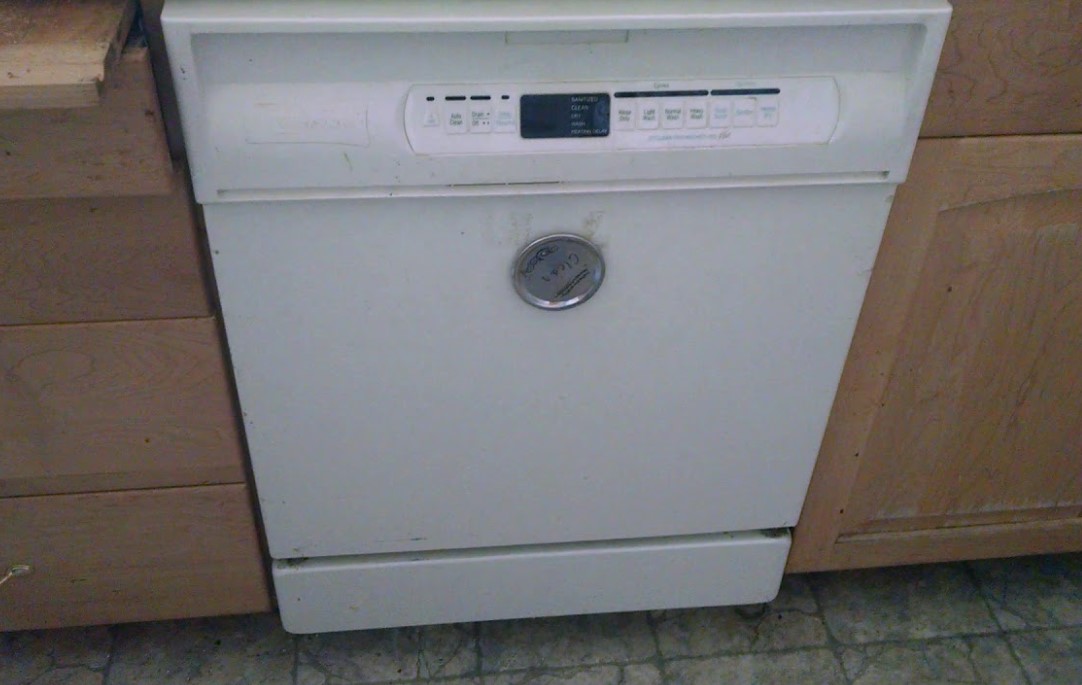
Maytag Dishwasher Repair: Essential Troubleshooting and Repair Tips
When your Maytag dishwasher begins to show signs of malfunction, it is crucial to identify and address the issue promptly to avoid further complications. Here are several essential troubleshooting tips and repair strategies to help you get your appliance back in working order.
Common Problems and Solutions
Understanding the common issues can greatly assist in diagnosing your dishwasher’s problems. Here is a table summarizing frequent issues along with their possible causes and solutions:
| Problem | Possible Causes | Solutions |
|---|---|---|
| Dishwasher won’t start | Power supply issues, door latch not engaging, defective control panel | Check power cord, ensure the door closes properly, replace control panel if faulty |
| Not cleaning dishes properly | Clogged spray arms, dirty filter, inadequate water supply | Clean spray arms, remove and rinse the filter, ensure proper water flow |
| Water won’t drain | Clogged drain hose, defective drain pump, door latch issue | Inspect and clear drain hose, test drain pump functionality, check door latch |
| Leaking water | Worn door gasket, loose or damaged hoses, cracked tub | Replace door gasket, tighten or replace hoses, inspect and seal tub cracks |
Maintenance Tips
Preventive maintenance can extend the life of your Maytag dishwasher. Regularly clean the filter, check and clean the spray arms, and inspect the door gasket for wear. Additionally, run the dishwasher with a cleaning solution monthly to eliminate buildup and odors. Keeping the seals and connections tight also prevents leaks and inefficiencies.
By following these troubleshooting and maintenance tips, you can effectively manage repairs on your Maytag dishwasher, ensuring optimal performance and longevity of the appliance.
Identifying Common Dishwasher Issues
Dishwashers, including Maytag models, can encounter various problems over time. Identifying these issues early can prevent further damage and costly repairs. Here are some common problems you may face:
- Dishwasher Won’t Start: If the dishwasher doesn’t operate, check the power source, door latch, and control panel settings.
- Water Not Draining: This can occur due to a clogged drain filter, faulty drain pump, or a kinked drain hose. Inspect and clean these components for optimal performance.
- Not Cleaning Properly: If dishes are coming out dirty, check the spray arms for blockages, verify that water is reaching the appliance, and ensure the detergent dispenser is functioning correctly.
- Leaking Water: Water leaks may stem from damaged door seals, loose hose connections, or worn-out gaskets. Inspect seals and hoses for wear and tightness.
- Unusual Noises: Grinding, buzzing, or other unexpected sounds can be a sign of loose items in the spray arms, worn bearings, or failing motors. Ensure nothing obstructs the spray arms and consider evaluating the components for wear.
- Odors: Foul smells may result from stale water or food debris trapped in the filter or drain. Regular cleaning and maintenance can help alleviate these issues.
Recognizing these common dishwasher issues can facilitate prompt and effective troubleshooting. Regular maintenance, such as cleaning filters and inspecting hoses, will help prolong the life of your appliance.
Checking Power Supply and Connections
When troubleshooting a Maytag dishwasher, one of the first steps is to check the power supply and connections. Ensuring that your dishwasher is receiving adequate power is critical for proper operation.
Inspecting the Power Source
Start by verifying that the dishwasher is plugged into a working electrical outlet. Unplug the unit and check the outlet with a multimeter to ensure it is functioning correctly. If the outlet is inactive, check your home’s circuit breaker or fuse box for any tripped breakers or blown fuses that may have cut off power to the dishwasher. Reset any tripped breakers and replace fuses if necessary.
Examining the Power Cord and Connections
Next, inspect the power cord for any visible damage or wear. Look for frays, cuts, or exposed wires that could pose a safety hazard. If the power cord is damaged, it should be replaced immediately. Additionally, check the connections at the back of the dishwasher. Ensure that the wire harness is securely connected to the dishwasher’s control board. Loose connections can interrupt the power supply and cause operational issues.
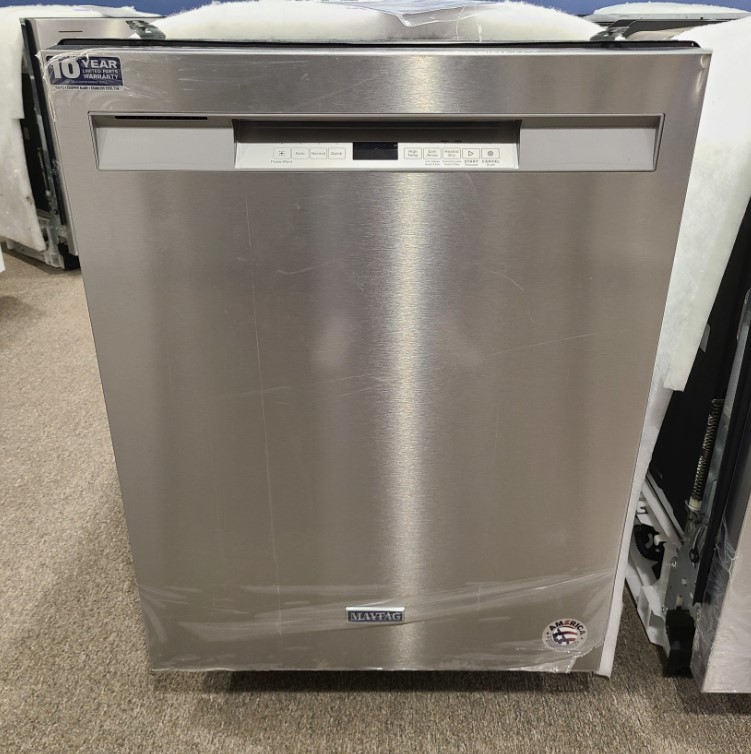
Inspecting Water Supply and Drainage Problems
Water supply and drainage issues are common causes of malfunction in Maytag dishwashers. Ensuring proper water flow is crucial for effective cleaning and operation. Begin troubleshooting by inspecting the water supply line. Look for kinks or bends in the hose that could restrict water flow. Make sure the water shut-off valve is fully open and that there is no debris blocking the supply line.
Checking the Water Inlet Valve
The water inlet valve is responsible for allowing water into the dishwasher. If this valve is faulty, it can lead to insufficient water filling or no water entering the machine at all. To check the valve, first, turn off the power supply. Locate the valve, usually found at the bottom of the unit near the water supply line. Inspect it for any signs of damage or wear. If the valve appears damaged, it will need to be replaced.
Examining the Drainage System
Proper drainage is essential to prevent water from pooling inside the dishwasher. Start by inspecting the drain hose for clogs or obstructions. The drain hose should be free of twists or bends that could disrupt water flow. Additionally, ensure that the hose is properly connected to the garbage disposal or sink drain. A blocked filter or a clogged drain pump could also be causing drainage issues. Clean the filter and check the drain pump for any debris that may be impeding its function.
Examining the Door Latch and Seal
The door latch and seal are crucial components of your Maytag dishwasher, ensuring that water remains inside during the wash cycle. A malfunctioning latch or damaged seal can lead to leaks and inefficient cleaning. Here are the steps to examine these parts effectively.
First, inspect the door latch for any visible damage. When the door is closed, the latch should engage securely without excessive force. If it appears bent or worn, consider replacing it. Check if the latch mechanism engages smoothly when you press it. If it sticks, lubricate it with a silicone-based lubricant.
Next, examine the door seal for cracks, tears, or signs of wear. The seal, often made from rubber or silicone, should create a tight barrier. To check its integrity, run your fingers along the length of the seal looking for any irregularities. If the seal is compromised, it can be easily replaced.
| Component | Signs of Damage | Possible Solutions |
|---|---|---|
| Door Latch | Bent, worn, or sticky | Replace latch or lubricate mechanism |
| Door Seal | Cracks, tears, or irregularities | Replace seal to ensure proper function |
To replace the door latch, first disconnect the dishwasher from the power supply. Remove the screws securing the door panel and carefully detach it to access the latch. Follow the manufacturer’s instructions for installation. For the seal, remove the old one by peeling it off, then press the new seal into place, ensuring it fits snugly.
After completing these checks and repairs, conduct a test cycle to confirm everything functions correctly. Watching for leaks during this cycle can prevent damage to your kitchen and ensure the longevity of your dishwasher.
Diagnosing Noise and Vibration Problems
Unexpected noise and vibrations from your Maytag dishwasher can indicate underlying issues that need to be addressed. Begin your diagnosis by listening carefully to the type of noise being produced. Different sounds can be attributed to different problems.
1. Scraping or Rattling Sounds: These noises often result from loose items inside the dishwasher. Check for utensils or dishes that may be moving during the wash cycle. Ensure that dishes are placed securely in the racks, and remove any items that may obstruct the spray arms.
2. High-pitched Whining: This sound may indicate a problem with the motor or pump. Inspect the motor for any signs of wear or damage. If the motor is malfunctioning, it may require replacement.
3. Banging or Thumping: If you hear banging or thumping, this could indicate an improperly installed dishwasher or an issue with the mounting brackets. Check that the dishwasher is firmly mounted to the countertop or cabinets, and adjust as necessary to eliminate movement.
4. Vibrations During Operation: Excessive vibrations may stem from unbalanced loads or a faulty leveling. Make sure the dishwasher is level by adjusting the feet. A balanced load will also minimize vibrations; avoid overloading the dishwasher and reposition large items that may cause imbalance.
Before proceeding with repairs, always ensure the dishwasher is disconnected from power to avoid electrical hazards. If you have diagnosed the problem but are unable to resolve it, consult the user manual or contact a professional technician for assistance.
Cleaning and Maintaining the Filter
Regular cleaning and maintenance of the filter in your Maytag dishwasher is crucial for optimal performance and longevity. A clogged or dirty filter can lead to poor cleaning results, unpleasant odors, and even damage to the machine. Here’s how to properly maintain the filter.
Steps to Clean the Filter
1. Locate the Filter: Open the dishwasher door and remove the bottom rack to access the filter located at the bottom of the appliance.
2. Remove the Filter: Twist or pull out the filter assembly gently. It usually consists of a coarse filter and a fine filter.
3. Rinse the Filter: Use warm water to rinse the filter under the tap. Avoid using a brush, as it may damage the filter screen. If necessary, use a soft cloth to wipe stubborn debris.
4. Soak for Stubborn Buildup: For heavy buildup, soak the filter in a solution of warm water and vinegar for about 15-30 minutes, then rinse again.
5. Reinstall the Filter: Allow the filter to dry completely before reinstalling it. Ensure it is securely placed in its original position to avoid leaks during operation.
Maintenance Tips
To keep your filter in optimal condition, adhere to the following maintenance tips:
| Tip | Description |
|---|---|
| Frequency of Cleaning | Clean the filter every month for regular use or every week if the dishwasher is used frequently. |
| Check for Damage | Inspect the filter for cracks or wear and replace it if necessary to maintain efficiency. |
| Avoid Certain Foods | Limit the washing of hard food debris like bones or large pieces that can clog the filter. |
By following these steps and maintenance tips, you can ensure that your Maytag dishwasher operates efficiently and effectively, providing clean dishes every time.
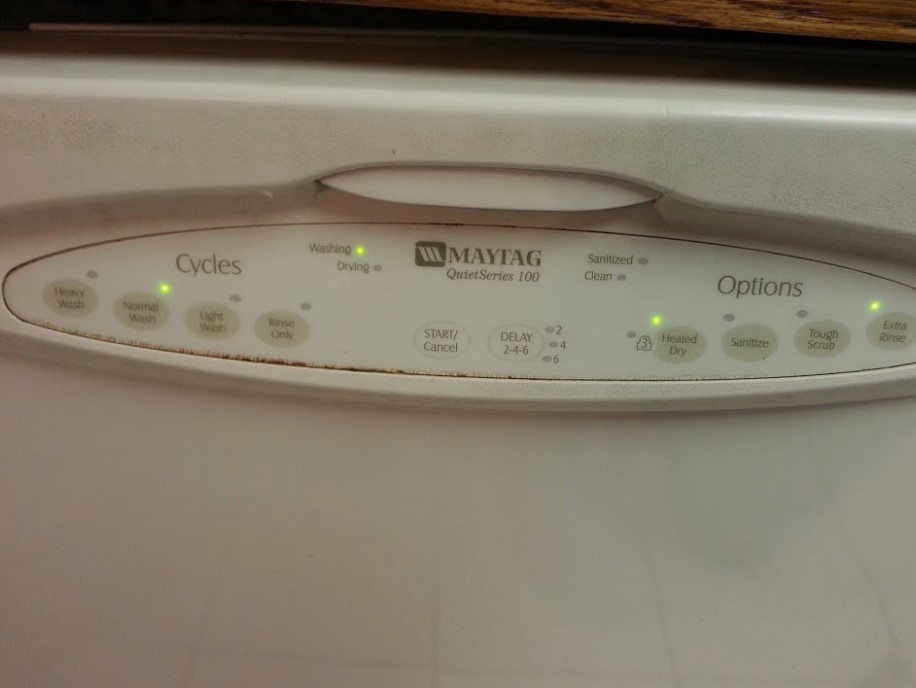
Timing and Cycle Issues: How to Fix Them
Timing problems and cycle issues in a Maytag dishwasher can lead to incomplete washes or prolonged cycles. These issues can stem from various underlying causes. Here’s how to identify and fix them effectively.
1. Check the Power Supply: Ensure that the dishwasher is properly plugged in and that the circuit breaker has not tripped. A lack of power can cause cycle interruptions.
2. Inspect Door Latch: A faulty door latch can prevent the dishwasher from starting or cause it to pause mid-cycle. Test the latch by closing the door firmly and listening for a click. If it feels loose, consider replacing it.
3. Examine Control Board: The control board regulates cycle timing. If it is damaged or malfunctioning, you could experience timing issues. Look for visible signs of damage such as burn marks or corrosion. If necessary, consult a technician for replacement.
4. Clean the Filter: A clogged filter can cause the dishwasher to halt or extend cycles. Remove and clean the filter according to the manufacturer’s guidelines to ensure proper water drainage.
5. Check Water Level: Insufficient water can also lead to cycle problems. Inspect the water inlet valve for clogs or damage. If the valve is malfunctioning, replace it to ensure proper water flow.
6. Test the Timer: A malfunctioning timer may not advance the cycle correctly. Using a multimeter, check the timer for continuity. If it fails the test, it will need to be replaced.
7. Monitor for Error Codes: Many Maytag dishwashers will display error codes in case of malfunctions. Refer to the user manual to decipher these codes as they can directly indicate the timing or cycle issue.
8. Evaluate Detergent Usage: Incorrect detergent amounts can lead to cycle delays. Ensure you are using the correct amount and type of detergent for optimal performance.
By systematically addressing these areas, you can effectively troubleshoot and resolve timing and cycle issues in your Maytag dishwasher, ensuring it operates efficiently and effectively.
Understanding Error Codes and What They Mean
Maytag dishwashers are equipped with diagnostic error codes that provide crucial insights into operational issues. When your dishwasher displays an error code, it is essential to interpret it accurately to resolve the problem effectively.
Common Error Codes
Several error codes can appear on your Maytag dishwasher, each indicating specific malfunctions. For instance, the code ‘F1’ typically signifies a problem with the control board or a faulty wiring harness. If you encounter ‘F2’, this code is often associated with high water temperature situations, which could be due to a malfunctioning heating element. An ‘F3’ error indicates a problem with the water temperature sensor, suggesting that it might be time for a replacement.
Understanding these codes can help you identify potential issues quickly. Always consult your user manual for a comprehensive list of error codes and their corresponding meanings specific to your model.
Troubleshooting Techniques
Once you’ve identified an error code, you can take specific steps to address it. Start by resetting your dishwasher. This action can sometimes clear temporary errors. If the issue persists, inspect the components related to the error code. For example, check the wiring and connections associated with the control board if you receive an ‘F1’ error. Additionally, make sure that the heating element is operational if you see an ‘F2’. In more complex cases, it may be necessary to consult a professional for repairs.
Replacing the Spray Arm and Other Components
If your Maytag dishwasher is not cleaning dishes effectively, the spray arm may be clogged or damaged. Replacing it, along with other key components, can restore optimal performance.
Here’s a step-by-step guide to replacing the spray arm and addressing other common components:
Tools and Materials Needed
- Replacement spray arm
- Screwdriver (flathead and Phillips)
- Pliers
- Cleaning cloth
- New seals (if necessary)
Steps to Replace the Spray Arm
- Turn Off Power: Before starting any repairs, ensure the dishwasher is unplugged or the circuit breaker is turned off to avoid electrical hazards.
- Remove the Lower Dish Rack: Take out the lower dish rack to access the spray arm easily.
- Detach the Spray Arm: Depending on the model, the spray arm may be held in place by a central nut or simply lifted off. Use the screwdriver to remove any screws.
- Inspect for Damage: Check the spray arm for cracks or blockages. Clean any debris from the spray holes for better water flow.
- Install the New Spray Arm: Position the new spray arm onto the support post and secure it with the nut or screws, if applicable.
Additional Component Replacements
In addition to the spray arm, consider checking and replacing the following components if necessary:
- Filter: A dirty filter can affect performance. Remove it, clean it thoroughly, or replace it if damaged.
- Wash Impeller: This part works in conjunction with the spray arm. Ensure it is clean and functioning properly.
- Door Seal: A worn seal can cause leaks. Inspect it for signs of wear and replace if needed.
- Float Assembly: Ensure the float mechanism is not stuck. If it is damaged, replace it to maintain proper water levels.
Final Steps
After replacing the components:
- Reassemble the Dishwasher: Put back the lower dish rack and any removed panels.
- Reconnect Power: Plug in the dishwasher or turn the circuit breaker back on.
- Run a Test Cycle: Check for any leaks and ensure the spray arm is functioning correctly during a short wash cycle.
Regular maintenance and timely replacement of critical components like the spray arm can prolong the life of your Maytag dishwasher and enhance its cleaning efficiency.
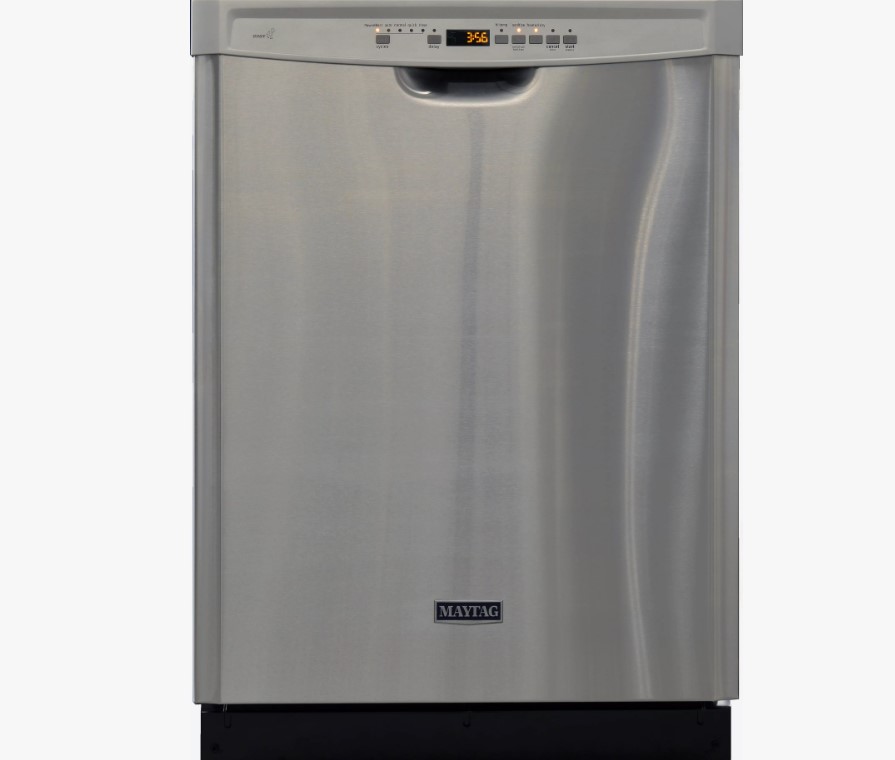
Handling Clogged Hoses and Drain Lines
Clogged hoses and drain lines can significantly impact the performance of your Maytag dishwasher. Addressing these issues promptly ensures efficient cleaning and prevents further damage to the appliance. Follow these steps to troubleshoot and repair clogged hoses and drain lines.
- Identify the Symptoms:Common signs of clogged hoses include:
- Water not draining properly from the dishwasher.
- Unusual noises during the draining cycle.
- Standing water at the bottom of the dishwasher.
- Check the Drain Filter:The drain filter can easily become clogged with food particles and debris. To clean it:
- Open the dishwasher and remove the bottom rack.
- Locate the drain filter, typically found near the drain area.
- Unscrew or unclip the filter and rinse it under warm water.
- Reinstall the filter after it has dried completely.
- Inspect the Drain Hose:Next, examine the drain hose for blockages:
- Disconnect the hose from both the dishwasher and the sink drain connection.
- Look for any visible blockages or kinks in the hose.
- Use a long brush or a plumbing snake to clear any debris.
- Run water through the hose to check for proper flow before reconnecting it.
- Check the Garbage Disposal:If your dishwasher drains into a garbage disposal, ensure it is not clogged:
- Run the disposal to clear any food debris.
- Check the knockout plug in the disposal to make sure it has been removed.
- Inspect the Dishwasher Drain Pump:If clogging persists, the drain pump may need to be examined:
- Disconnect the dishwasher from its power source.
- Remove the lower spray arm and the cover to access the pump.
- Look for blockages in the pump and clean them as necessary.
- Reassemble and Test:After clearing any clogs, reassemble all components and run a test cycle:
- Ensure all parts are securely in place.
- Monitor the performance of the dishwasher for any signs of drainage issues.
Regular maintenance of hoses and drain lines will improve the efficiency of your Maytag dishwasher and prolong its lifespan.
Testing and Replacing Heating Elements
The heating element in your Maytag dishwasher is crucial for ensuring that water reaches the appropriate temperatures necessary for effective cleaning. If you notice that your dishwasher is not drying dishes properly or if the water remains cold during cycles, it may be time to test and possibly replace the heating element.
To begin testing the heating element, first, ensure that the dishwasher is unplugged to prevent electric shock. Locate the heating element, which is typically found at the bottom of the dishwasher tub. Use a multimeter to measure the resistance of the heating element. Set the multimeter to the ohms setting and touch the probes to the terminals of the heating element. A functional heating element should measure between 10 and 30 ohms. If the reading is significantly higher or shows an open circuit, the element is faulty and needs replacement.
Once you’ve determined that the heating element requires replacement, you will need to obtain a compatible part specific to your Maytag dishwasher model. Disconnect the power supply to the dishwasher and remove the bottom spray arm and any related covers to access the heating element. Carefully unscrew or unclip the old heating element from its mounting. Take note of how the component is installed to assist with the installation of the new element.
Install the new heating element by securing it in the same position as the old one. Reattach any covers and the spray arm. Once everything is back in place, plug the dishwasher back in and run a short cycle to ensure that the new heating element functions correctly and that the water heats up as expected. Regularly checking and maintaining the heating element is essential for optimal dishwasher performance.
Finding Professional Help When Needed
While many dishwasher issues can be resolved through basic troubleshooting and DIY repairs, there are situations where professional assistance is necessary. Recognizing when to seek help can save time and prevent further damage to your Maytag dishwasher.
Signs You Need Professional Repair
- Persistent Issues: If the same problem recurs despite your attempts to fix it, this may indicate a deeper mechanical or electrical issue.
- Unusual Noises: Unexplained loud grinding or rattling sounds may suggest that a part is failing or has become dislodged.
- Water Leaks: If you notice water pooling around the dishwasher, it could be a sign of serious leaks that need professional assessment.
- Error Codes: Modern dishwashers come equipped with digital displays. If your machine shows error codes that you cannot resolve, consult a technician.
- High Repair Costs: If a repair costs more than half of a new dishwasher, consider contacting a professional to determine if replacement is a better option.
How to Find a Qualified Technician
- Research Local Services: Look for local repair services that specialize in Maytag appliances. Online reviews and ratings can provide insight into their reliability.
- Check Credentials: Ensure the technician has the necessary licenses and certifications to perform appliance repairs. Verify their experience with your specific model.
- Ask for Recommendations: Seek recommendations from friends, family, or neighbors who have had positive experiences with appliance repairs.
- Inquire about Warranties: Confirm whether the service offers warranties on parts and labor, ensuring that you are covered in case the problem recurs.
- Request Estimates: Get quotes from multiple technicians to compare pricing. Make sure the estimate includes a breakdown of parts and labor costs.
By being proactive in identifying problems and seeking professional help when needed, you can extend the lifespan of your Maytag dishwasher and ensure it operates efficiently.
Q&A:
What are the common issues that might require Maytag dishwasher repair?
Common problems that users encounter with Maytag dishwashers include failure to start, unusual noises during operation, poor cleaning performance, leaks, and issues with drying dishes. Each of these problems can stem from a variety of causes, such as electrical issues, clogged filters, or malfunctioning components. Identifying the specific symptoms can help narrow down the possible causes before performing any repairs.
How can I troubleshoot my Maytag dishwasher if it won’t start?
If your Maytag dishwasher won’t start, check the power supply first. Ensure that the dishwasher is plugged in and that the circuit breaker hasn’t tripped. Next, inspect the door latch; if the door isn’t securely closed, the machine won’t operate. Also, verify that the control panel is functioning properly—if it’s unresponsive, a reset may be necessary. You can do this by turning off the dishwasher for a few minutes and then turning it back on.
What should I do if my dishwasher is leaking water?
Leaking water can arise from several sources. First, examine the door seal for any signs of wear or damage, as a faulty seal could lead to leaks. Check the hose connections at the back of the dishwasher for any loose fittings or cracks. If the leak seems to be coming from inside the dishwasher, inspect the drain hose and the filter for blockages that could cause water to accumulate and overflow. If these steps do not solve the issue, it might require a professional assessment to address more complex problems.
Why isn’t my Maytag dishwasher cleaning dishes properly?
Poor cleaning performance can be attributed to various factors, including obstructed spray arms, clogged filters, or the use of inappropriate detergent. Start by checking the spray arms; ensure they can rotate freely and are not blocked by large items. Cleaning the filter can also improve performance, as debris buildup can hinder water flow. Additionally, using the correct type of detergent and ensuring that you’re loading the dishwasher properly are important for optimal dishwashing results.
Can I perform repairs on my Maytag dishwasher myself, or should I call a technician?
Whether you can perform repairs yourself depends on your comfort level with appliance repairs and the complexity of the issue. Simple problems, like cleaning filters or resetting the appliance, can be handled by most users. However, if you encounter issues that involve electrical components or require advanced troubleshooting, it is advisable to consult a professional. This helps avoid potential damage to the dishwasher and ensures safety during repairs.
What are the most common problems with Maytag dishwashers, and how can I troubleshoot them?
Maytag dishwashers can experience a variety of issues. Some of the most common problems include not starting, not draining, and unusual noises during operation. To troubleshoot these issues, first, check if the dishwasher is plugged in and the door is fully closed. If it doesn’t start, inspect the circuit breaker for a tripped switch. For drainage issues, ensure that the drain hose isn’t kinked or clogged. If you hear strange noises, examine the spray arms for obstructions and check for loose items inside. Cleaning filters regularly can also prevent operational problems.
APPLIANCE REPAIR in California — fast, reliable, and affordable service that brings your home appliances back to life. Get expert help today and enjoy worry-free comfort!