LG dishwasher repair knowledge is crucial for maintaining optimal performance and prolonging the life of your appliance, as dishwashers are essential tools in modern kitchens, providing convenience and efficiency in cleaning dishes. However, like any mechanical device, LG dishwashers can experience issues over time. Understanding common problems and their solutions is the first step toward effective maintenance.
This article will delve into the most frequent failures encountered with LG dishwashers, ranging from inadequate cleaning to unusual noises and water drainage issues. By identifying the symptoms and following step-by-step troubleshooting tips, you can effectively address these problems and avoid costly repairs. Whether you are a DIY enthusiast or simply looking to save on service calls, this guide will empower you to tackle LG dishwasher repairs with confidence.
We will cover common malfunction scenarios, provide detailed repair instructions, and highlight when it might be necessary to seek professional help. By being informed, you can ensure your LG dishwasher operates efficiently, allowing you to enjoy the benefits of your appliance without interruption.
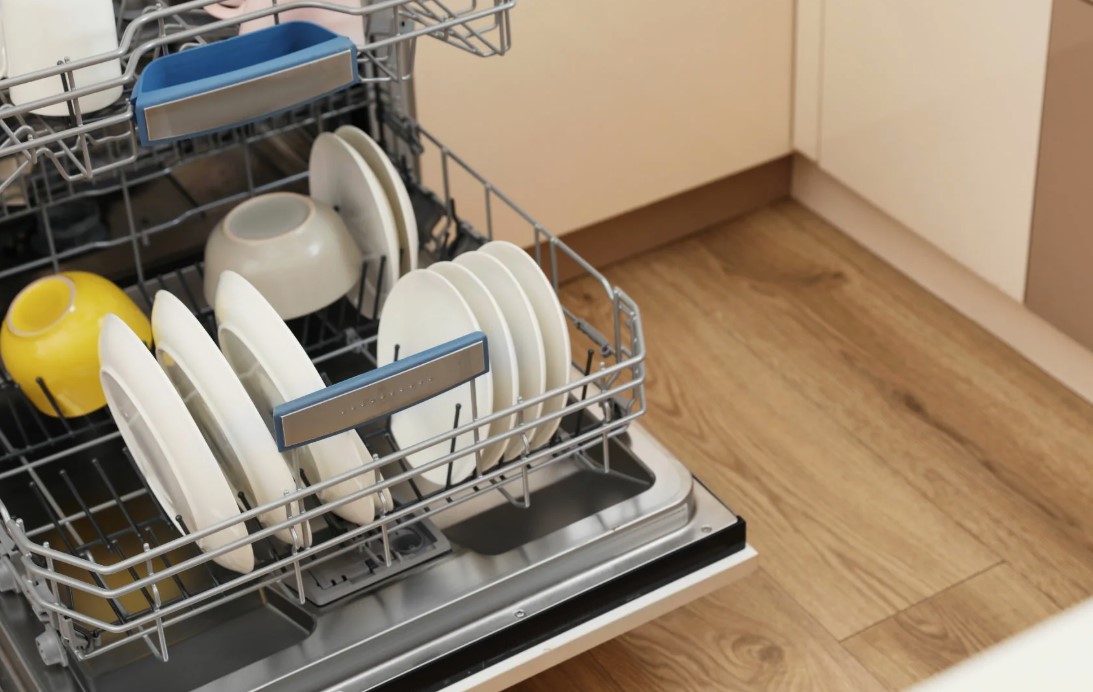
LG Dishwasher Repair: How to Fix the Most Frequent Dishwasher Failures
Dishwashers are essential kitchen appliances, and LG models are known for their reliability. However, like any equipment, they may encounter issues over time. Understanding how to troubleshoot and repair common problems can save you time and money.
One frequent failure is the dishwasher not starting. If your LG dishwasher is unresponsive, check that it is properly plugged in and that the circuit breaker hasn’t tripped. Ensure that the door is completely closed, as most models require it to be latched for operation. If these steps don’t resolve the issue, test the control board or door latch assembly for faults.
Another common issue is poor cleaning performance. If dishes come out dirty, check the spray arms for blockages. Food debris can clog these arms, preventing water from reaching all surfaces. Regular cleaning of the filter can also improve performance, as it captures food particles that can impede water flow. Additionally, check that you are using the correct detergent and loading dishes as recommended in the user manual.
Leaks are a serious concern. If you notice water pooling around the dishwasher, inspect the door seal for damage or wear. A worn gasket can lead to leaks, requiring replacement. Additionally, check hoses for cracks and ensure connections are tight. If you suspect a leak from the pump or tub, a professional repair may be necessary.
Noisy operation can indicate mechanical issues. A strange noise may stem from loose components, such as the spray arm or the filter. Check for any foreign objects in the drain or impeller that might be causing the noise. If the sound persists, the motor bearings could be wearing out, indicating a need for further inspection or part replacement.
Finally, an LG dishwasher may stop draining properly. If you notice standing water at the bottom, check the drain hose for kinks or blockages. Ensure that the sump area is clear of debris. Running a cleaning cycle with a dishwasher cleaner can help remove buildup that could impede drainage. If these checks do not resolve the issue, the drain pump may need to be replaced.
By addressing these common problems, you can prolong the lifespan of your LG dishwasher and maintain its performance. Regular maintenance and timely repairs are key to ensuring your appliance remains efficient and effective.
Troubleshooting Water Drainage Issues
If your LG dishwasher is not draining properly, it can lead to standing water and unpleasant odors. Here are some steps to identify and resolve drainage problems.
Common Causes of Water Drainage Issues
- Clogged Drain Filter: The drain filter can become clogged with food particles and debris, obstructing water flow.
- Blocked Drain Hose: A kinked or clogged drain hose can prevent water from exiting the dishwasher.
- Malfunctioning Pump: The drain pump may be defective, failing to remove water effectively.
- Improper Installation: Incorrectly installed plumbing can hinder drainage.
Steps to Fix Drainage Problems
- Inspect the Drain Filter:Remove the filter and clean it thoroughly. Rinse it under warm water to eliminate any residues.
- Check the Drain Hose:Examine the drain hose for kinks, bends, or clogs. Ensure it is properly connected and free of blockages.
- Test the Drain Pump:Listen for unusual noises when the dishwasher is draining. If the pump is silent, it may need replacement or servicing.
- Evaluate Installation:Make sure the dishwasher is level and that the drain hose is installed according to the manufacturer’s instructions.
If these troubleshooting steps do not resolve the drainage issue, consider consulting a professional technician for further assistance.
Identifying and Fixing Leaks in Your LG Dishwasher
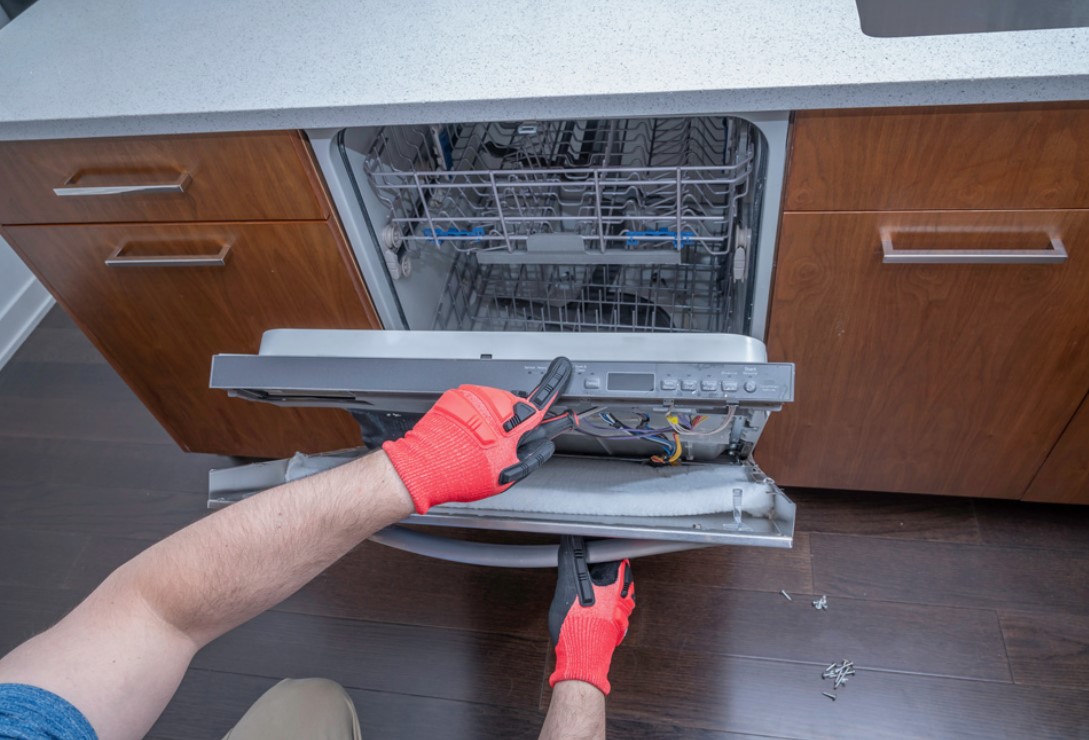
Leakage in an LG dishwasher can lead to serious issues, including water damage and inefficient cleaning. Identifying the source of a leak is crucial for timely repairs. Begin by examining the door seals and gaskets. These components can wear out or become dirty, preventing a proper seal. Cleaning these areas with a soft cloth can often resolve minor leaks.
Next, investigate the hoses connected to the dishwasher. Over time, hoses can develop cracks or become loose. Check the connection points for signs of wear, and ensure that all hoses are secured tightly. If any hoses show signs of damage, replace them immediately to prevent further leaks.
Also, inspect the dishwasher’s float assembly, which helps regulate water levels. If the float is stuck or malfunctioning, it can cause the machine to overflow. Ensure that the float moves freely and isn’t obstructed by debris or mineral buildup.
Another potential source of leaks is the pump and motor assembly. If you notice water pooling at the bottom of the dishwasher, the pump might be failing. Inspect it for cracks or signs of wear and replace it if necessary. Additionally, look for any loose screws or connections that could lead to leaks.
After addressing these areas, run a short cycle to test for leaks. Monitor the dishwasher closely and check underneath for any signs of water. If the leak persists, you may need to consider professional assistance, as more complex issues could be at play, such as internal plumbing problems.
Addressing Poor Cleaning Results: Spray Arms and Filter Maintenance
When your LG dishwasher fails to deliver the expected cleaning results, the likely culprits are the spray arms and the filter. Regular maintenance of these components is essential to ensure optimal performance.
The spray arms are responsible for distributing water throughout the dishwasher to effectively clean dishes. They can become clogged with food particles, mineral deposits, or grease, leading to insufficient water circulation. To maintain the spray arms, follow these steps:
| Steps for Spray Arm Maintenance |
|---|
| 1. Remove the spray arms by unscrewing or unclipping them from their positions. |
| 2. Inspect the nozzles for blockages and use a toothpick or a small brush to clear any debris. |
| 3. Rinse the spray arms under warm water to remove any loose particles. |
| 4. Reattach the spray arms securely, ensuring they can rotate freely. |
In addition to the spray arms, the dishwasher filter plays a crucial role in capturing food particles and debris. A clogged filter can severely impact cleaning performance. Here’s how to clean the filter:
| Steps for Filter Maintenance |
|---|
| 1. Locate the filter, typically found at the bottom of the dishwasher. |
| 2. Remove the filter by turning it counterclockwise or pulling it upwards, depending on the model. |
| 3. Rinse the filter under warm running water to remove trapped particles and buildup. |
| 4. For stubborn debris, soak the filter in a mixture of warm water and mild detergent before rinsing. |
| 5. Reinstall the filter, ensuring it fits snugly and securely. |
By regularly maintaining the spray arms and filter of your LG dishwasher, you can significantly improve cleaning results and extend the life of your appliance. Incorporating this maintenance into your dishwashing routine will ensure that every load comes out sparkling clean.
Resolving Error Codes on LG Dishwashers
LG dishwashers are equipped with diagnostic systems that alert users to issues through specific error codes. Understanding these codes is essential for effective troubleshooting. Below are some common error codes and their solutions.
IE Error Code: This code indicates an issue with water intake. Check the water supply to ensure it is turned on. Inspect the inlet hose for kinks or blockages. Cleaning the filter in the water inlet valve may also resolve the issue.
OE Error Code: The OE error signifies a drainage problem. Begin by inspecting the drain hose for clogs or bends that may impede water flow. Ensure that the sink drain is clear. If the issue persists, check the dishwasher’s filter for debris that could obstruct drainage.
LE Error Code: The LE error suggests a leakage issue within the dishwasher. Examine the door seal for wear or damage. Inspect the hoses and connections for signs of leaks. If the problem is due to a malfunctioning water level sensor, replacement may be necessary.
TE Error Code: This code indicates a problem with the heating element. Verify that the heating element is not damaged and test it with a multimeter for continuity. If the heating element fails the test, replacement is required.
UE Error Code: The UE error represents an unbalanced load. Ensure that dishes are evenly distributed within the dishwasher to prevent movement during the wash cycle. Avoid overloading the appliance, as this can lead to similar issues.
CE Error Code: This error points to an electrical problem, often related to the control board or wiring issues. Reset the dishwasher by unplugging it for a few minutes. If the error persists, inspect the wiring and consider replacing the control board if necessary.
These troubleshooting steps can help resolve common error codes encountered with LG dishwashers. Regular maintenance and proper usage can also minimize the frequency of such issues.
Dealing with Noisy Operation: Common Causes and Solutions
Noisy operation in LG dishwashers can be a frustrating experience for users. Understanding the common causes of these noises can help you troubleshoot and resolve the issues effectively. Below are some frequent sources of noise and suggested solutions.
Common Causes of Noise
Several factors can contribute to noisy operation in dishwashers. Below is a table outlining typical causes along with their descriptions:
| Cause | Description |
|---|---|
| Loose Parts | Worn or loose components within the dishwasher can result in rattling or banging noises during operations. |
| Improperly Loaded Dishes | When dishes are not arranged properly, they may collide with each other or with the spray arm, causing noise. |
| Faulty Motor | A malfunctioning motor may produce unusual sounds, indicating it requires inspection or replacement. |
| Debris in the Filter | Food particles or other debris in the filter can obstruct water flow and generate grinding noises. |
| Worn Out Pump | A failing pump may produce persistent whirring or clunking sounds while trying to circulate water. |
Solutions to Reduce Noise
To address the identified sources of noise in your LG dishwasher, consider the following solutions:
- Tighten Loose Components: Inspect the interior for any loose screws or fittings and tighten them as needed to eliminate rattling sounds.
- Rearrange Dishes: Make sure all dishes are seated securely in their designated spots. Avoid stacking or overlapping items that can lead to contact during the wash cycle.
- Inspect and Replace the Motor: If you suspect the motor is the source of the noise, consult a professional technician to assess its condition. Replace it if necessary to ensure optimal performance.
- Clean the Filter: Regularly check and clean the dishwasher filter to remove any debris. This will help maintain efficient water flow and reduce noise.
- Examine the Pump: If the pump is a source of noise, it may require servicing. Investigate any strange sounds and seek professional assistance for repairs or replacement.
By addressing these common causes and implementing the suggested solutions, you can significantly reduce the noise from your LG dishwasher and enhance its performance. Regular maintenance will also help minimize future noise issues.
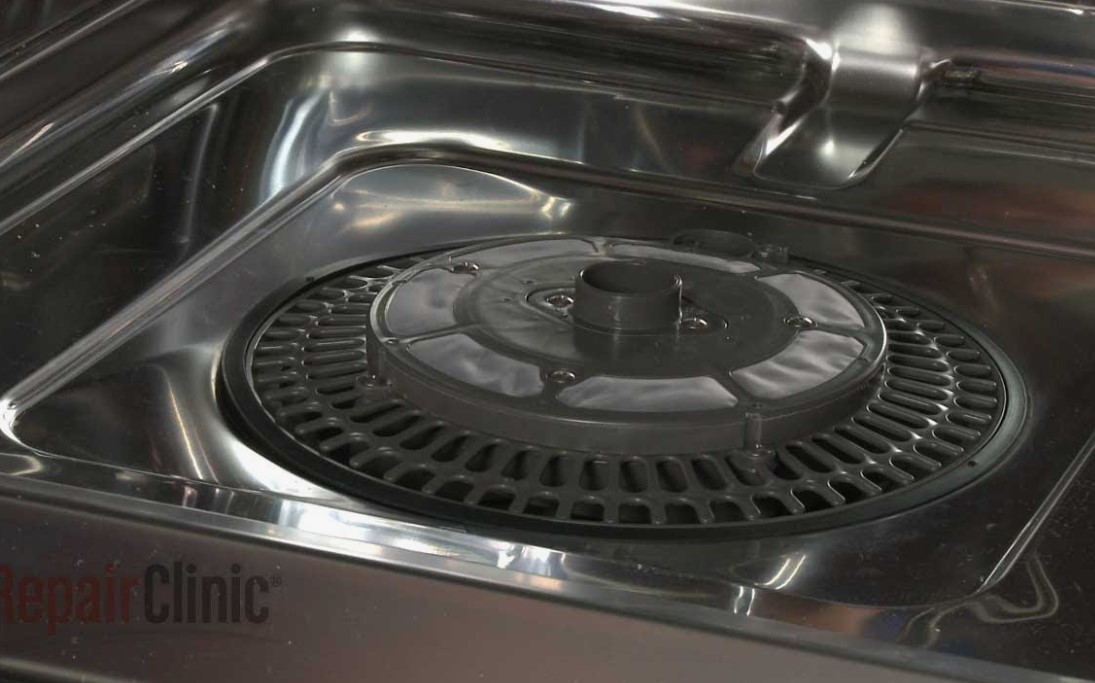
Fixing an LG Dishwasher That Won’t Start
If your LG dishwasher refuses to start, several common issues might be the culprit. Follow these troubleshooting steps to identify and resolve the problem efficiently.
Check Power Supply
Ensure that the dishwasher is properly plugged into a functional outlet. Inspect the power cord for any damage. If the dishwasher does not respond, try plugging another device into the same outlet to confirm that it is working. If the outlet is dead, check your home’s circuit breaker and reset it if necessary.
Door Latch and Control Lock
The dishwasher will not start if the door is not properly latched. Inspect the door latch for any obstructions or wear. Close the door firmly to ensure it is securely latched. Additionally, check if the control lock feature is activated; this can prevent the appliance from starting. Refer to the user manual for instructions on how to deactivate the control lock.
If the issue persists after these checks, consider examining the control panel for error codes. Refer to your manual to interpret any codes and follow the suggested troubleshooting steps. If necessary, contacting a professional repair service may be the best course of action.
Adjusting the Detergent Dispenser for Optimal Performance
To ensure that your LG dishwasher operates efficiently, it is essential to adjust the detergent dispenser correctly. An improperly adjusted detergent dispenser can lead to poor cleaning results and excessive detergent consumption, which may harm your dishes and the environment.
Understanding the Detergent Dispenser Mechanism
The detergent dispenser in an LG dishwasher releases the appropriate amount of detergent at the right time during the wash cycle. It is typically located on the inside of the door and features a cover that automatically opens at the start of the wash cycle. Regular inspections of this mechanism are necessary, as clogs or residue buildup can impede proper operation.
Steps for Adjusting the Detergent Dispenser
1. Inspect the Dispenser: Start by opening the dishwasher door and checking the detergent dispenser for any signs of blockages or residue buildup. Remove any old detergent that may have hardened.
2. Clean Thoroughly: Use warm water and a soft cloth to clean the inside of the dispenser. Ensure that the cover opens and closes smoothly without obstructions.
3. Check Detergent Type: Verify that you are using the correct type of detergent for your dishwasher. Powders or tablets may require different settings than gels or liquids.
4. Adjust Settings: If your model allows it, adjust the amount of detergent dispensed per cycle. Follow the manufacturer’s guidelines on the recommended settings based on your water hardness level.
5. Perform a Test Cycle: After making adjustments, run a short cycle without dishes to confirm that the dispenser is functioning correctly and releasing detergent as needed.
Proper adjustment and maintenance of the detergent dispenser will enhance your dishwasher’s cleaning performance and extend its lifespan.
Replacing a Faulty Door Seal to Prevent Leaks
A dishwasher door seal, also known as a gasket, plays a crucial role in maintaining a watertight environment during operation. Over time, this seal may deteriorate, leading to leaks that can cause damage to your kitchen and decrease the dishwasher’s efficiency. Replacing a faulty door seal is a straightforward process that can resolve leak issues effectively.
Identifying a Faulty Door Seal
Before replacing the door seal, it’s important to confirm that the seal is indeed the source of the leak. Look for the following signs:
- Visible Damage: Check for cracks, tears, or wear on the seal’s surface.
- Water Accumulation: Notice if water accumulates around the bottom of the dishwasher during or after a cycle.
- Discoloration: Look for discoloration or mold growth on or around the seal, indicating deterioration.
Steps to Replace the Door Seal
- Gather Materials: You will need a replacement door seal, a screwdriver, and a cleaning cloth.
- Unplug the Dishwasher: Ensure safety by disconnecting the power supply before starting the repair.
- Remove the Old Seal: Gently pry the old door seal from its groove. Use a screwdriver if necessary, but take care not to damage the dishwasher door.
- Clean the Area: Wipe down the area where the seal attaches to eliminate any debris or old adhesive. A clean surface ensures a proper fit for the new seal.
- Install the New Seal: Align the new door seal with the groove and press it firmly into place. Ensure it is evenly positioned all around the door frame.
- Test the Seal: Close the dishwasher door and check for evenness. The seal should create a snug fit without gaps.
- Reconnect Power: Plug the dishwasher back in and run a short cycle to check for leaks. Monitor the door area for any signs of water escaping.
Routine examination of your dishwasher’s door seal will help prevent leaks and extend the lifespan of your appliance. Replacing a faulty seal promptly can save you from costly repairs and improve the functionality of your dishwasher.
Understanding Electrical Problems: Circuit Board and Wiring Issues
Electrical problems in LG dishwashers can often be traced back to the circuit board and wiring issues. Understanding how these components function is essential for effective troubleshooting and repair.
The circuit board, also known as the control board, serves as the brain of the dishwasher. It regulates various functions, from initiating the wash cycle to controlling water temperature. Issues with the circuit board can manifest in several ways, including:
- Unresponsive buttons or controls
- Error codes displayed on the control panel
- Inconsistent or failed wash cycles
To diagnose circuit board issues:
- Inspect for visible signs of damage, such as burn marks or debris.
- Check for loose or corroded connections that may interfere with proper operation.
- Use a multimeter to test for continuity and voltage in the circuit paths.
If the circuit board is confirmed to be faulty, replacement may be necessary. Consult your owner’s manual for the specific replacement procedure and ensure the power is disconnected before attempting any repairs.
Wiring issues can also lead to significant malfunctions. Common problems include:
- Frayed wires causing short circuits
- Loose connections leading to intermittent power supply
- Water exposure damaging wiring insulation
To troubleshoot wiring issues:
- Examine all wiring for wear and proper insulation.
- Ensure all connectors are tight and secure.
- Test wire continuity with a multimeter.
For any damaged wiring, professional repair or replacement is recommended to ensure safety and functionality. Addressing electrical problems promptly will help maintain the efficiency and effectiveness of your LG dishwasher.
General Maintenance Tips to Prevent Future Breakdowns
Regular maintenance is essential to ensure the longevity and efficient performance of your LG dishwasher. By adhering to a few simple practices, you can minimize the risk of common breakdowns and extend the lifespan of your appliance.
1. Clean Filter and Drain Regularly
The filter and drain of your dishwasher play crucial roles in preventing clogs and maintaining optimal performance. Regularly inspect the filter for food particles and debris. Remove and clean it under warm running water at least once a month, or more frequently if you use your dishwasher daily. Additionally, ensure that the drain area is free of obstructions such as broken glass or utensils that can disrupt the drainage process.
2. Use Proper Detergents and Rinse Aids
Using the right detergent and rinse aid is vital for effective cleaning and preventing buildup inside the dishwasher. Always select detergents designed for automatic dishwashers and avoid using handwashing liquids, as they can create excessive suds and lead to malfunctions. Regularly replenish rinse aids to enhance drying performance and reduce water spots on your dishes. Following the manufacturer’s recommendations will help you achieve optimal results and prevent issues down the line.
Q&A — LG dishwasher repair:
What are the common issues that occur with LG dishwashers?
Some frequent problems with LG dishwashers include water not draining, dishes not getting clean, strange noises during operation, and the machine not starting at all. Each issue can stem from different causes, such as clogged filters, malfunctioning spray arms, or electrical problems.
How can I fix my LG dishwasher if it won’t drain?
If your LG dishwasher is not draining, first check for any blockages in the filter or drain hose. Remove and clean the filter located at the bottom of the dishwasher and inspect the drain hose for kinks or clogs. Additionally, ensure that the garbage disposal is clear, as a connection issue may prevent proper drainage. If the problem persists, the drain pump may need inspection or replacement.
What should I do if my LG dishwasher is making loud or unusual noises?
Loud noises from your LG dishwasher may indicate a few potential issues. First, check for any loose items, such as utensils or dishes, that might be rattling around. If the noises continue, inspect the spray arms to ensure they are not obstructed. Finally, listen for issues with the motor, pump, or bearings that could signal the need for professional repair if the sound is coming from these components.
Why are my dishes still dirty after running the dishwasher?
If your dishes are coming out dirty, there could be several reasons. First, verify that you are loading the dishwasher correctly, allowing sufficient water circulation. Check the spray arms for clogs, and clean any debris that might be affecting performance. It’s also important to use an appropriate detergent and ensure the water temperature is hot enough, typically above 120°F (49°C). If you continue having issues, consider checking the water inlet valve for proper operation.
APPLIANCE REPAIR in California — fast, reliable, and affordable service that brings your home appliances back to life. Get expert help today and enjoy worry-free comfort!