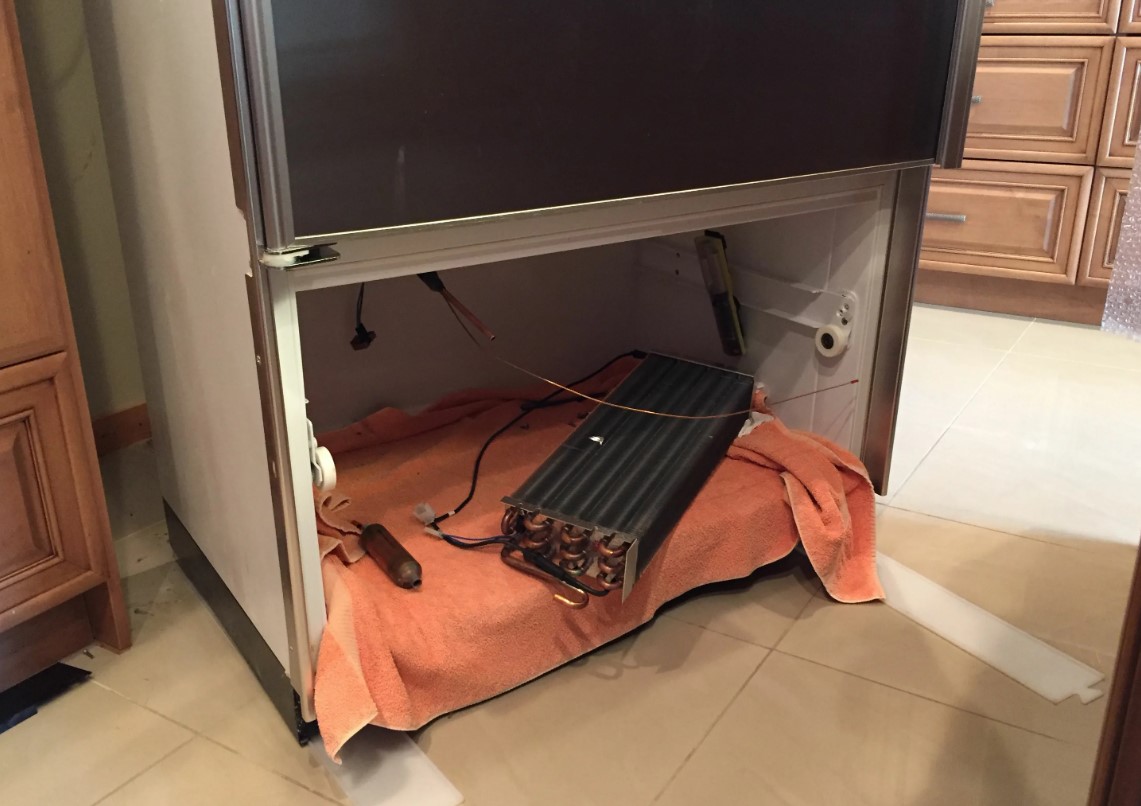
How long do dishwashers last? Understanding the expected lifespan of these modern kitchen staples is crucial for both budgetary planning and maintenance strategies. Dishwashers have become a staple in modern kitchens, offering convenience and efficiency in managing daily dishwashing tasks. On average, a dishwasher can last anywhere from 9 to 15 years, but this range can vary significantly based on several factors, including the brand, model, and usage patterns.
In this article, we will explore the factors that influence the longevity of dishwashers, including maintenance routines, usage frequency, and the importance of choosing high-quality appliances. By understanding these elements, homeowners can make informed decisions that not only ensure optimal performance but also extend the lifespan of their dishwashers.
Moreover, we will provide practical tips on how to care for your dishwasher effectively. Regular upkeep can prevent common issues that lead to premature breakdowns and enhance the overall efficiency of the appliance. With the right knowledge and care, you can maximize the lifespan of your dishwasher while enjoying the benefits it brings to your household.
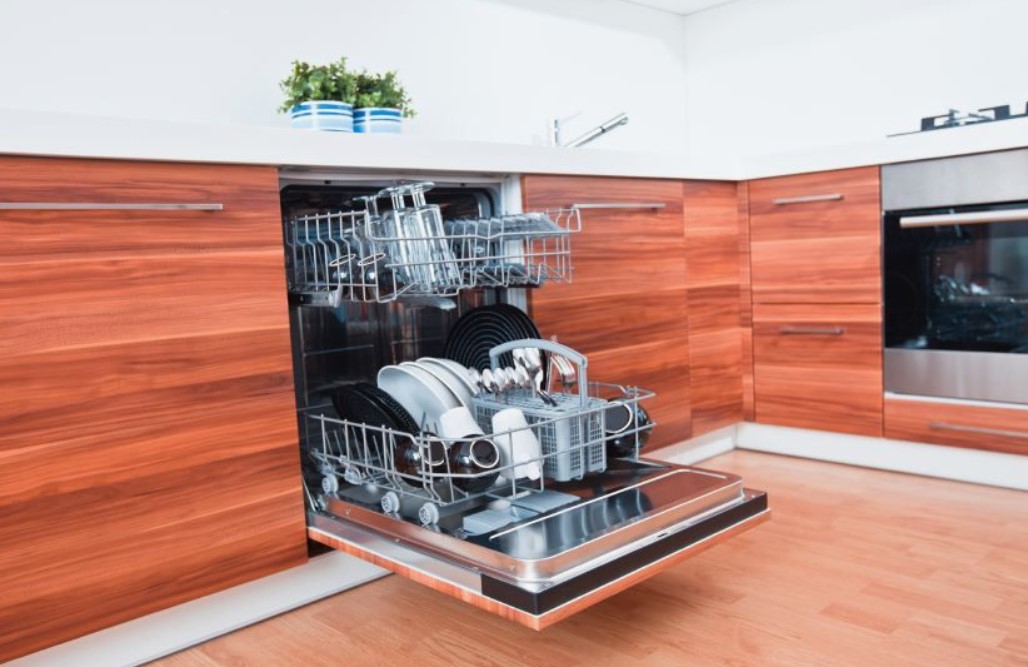
Average Lifespan of Dishwashers by Brand
The lifespan of a dishwasher can significantly vary depending on the brand. Understanding these averages can help consumers make informed decisions when purchasing a new appliance.
Samsung dishwashers typically last between 9 to 12 years. Known for their advanced technology and sleek designs, they often require regular maintenance to reach their maximum lifespan.
Bosch dishwashers are renowned for their durability and efficiency, generally lasting around 10 to 14 years. Their robust construction and high-quality components contribute to their longevity.
Whirlpool models usually offer a lifespan of 8 to 12 years. As a brand known for reliable household appliances, Whirlpool dishwashers benefit from easy-to-find replacement parts, making repairs more feasible.
LG dishwashers are designed to last approximately 10 to 13 years. With innovative features that enhance cleaning performance, regular care is essential for optimal longevity.
KitchenAid dishwashers typically last between 9 to 15 years. Their premium build quality and performance are favored by many chefs and home cooks alike, contributing to this extended lifespan.
General Electric (GE) dishwashers generally have a lifespan of around 7 to 12 years. While they are known for their reliability, regular maintenance can help extend their operational life.
Frigidaire dishwashers typically last about 8 to 10 years. As an affordable option, they are popular among budget-conscious consumers, balancing efficiency and price.
Maytag dishwashers usually last between 10 to 15 years. Known for their sturdy construction and powerful cleaning capabilities, they are a dependable choice for many households.
Understanding these averages can guide consumers in selecting a dishwasher that meets their needs and expectations, as well as inform them of the maintenance required to maximize the lifespan of their chosen brand.
Common Factors Influencing Dishwasher Longevity
The lifespan of a dishwasher can vary significantly based on several factors. Understanding these influences can help users maximize their appliance’s longevity and efficiency.
| Factor | Description |
|---|---|
| Quality of Build | Higher-end models tend to be constructed with more durable materials and components, which often leads to a longer lifespan compared to budget options. |
| Frequency of Use | Regular use can wear down components faster, while occasional use may extend the life of the appliance. |
| Water Quality | Hard water with high mineral content can lead to mineral buildup inside the dishwasher, which can damage pipes and internal mechanisms over time. |
| Maintenance | Regular cleaning and maintenance, such as descaling and cleaning filters, can prevent build-up and ensure optimal performance. |
| Installation Quality | Proper installation ensures that the appliance functions correctly. Poor installation can lead to leaks and malfunctions, reducing the expected lifespan. |
| Usage Habits | Overloading the dishwasher or using inappropriate detergents can cause damage and shorten the appliance’s life. |
| Brand Reputation | Brands with a strong reputation for durability and reliability often produce appliances that last longer than lesser-known manufacturers. |
By considering these factors, users can take proactive steps to prolong the lifespan of their dishwashers, ensuring they serve their purpose efficiently for many years.
Signs Your Dishwasher Needs Replacement
Recognizing when your dishwasher is reaching the end of its useful life is crucial for avoiding costly repairs and ensuring efficient cleaning. Here are some clear indicators that it may be time to invest in a new unit:
1. Frequent Breakdowns
If your dishwasher is breaking down frequently and requiring repairs, it could be a sign that it’s nearing the end of its lifespan. Consider these points:
- Repairs become more frequent and increasingly expensive.
- Common issues include problems with the motor, pump, or control panel.
- Older models may not be worth the cost of repair compared to newer, more efficient options.
2. Poor Cleaning Performance
A decline in cleaning performance is another clear sign that your dishwasher might need replacement:
- Dishes come out dirty or with food residue after a cycle.
- Glassware appears cloudy or stained.
- Persistent bad odors despite regular cleaning and maintenance.
Monitoring these signs can help you make an informed decision about replacing your dishwasher, ensuring you maintain efficiency and cleanliness in your kitchen.
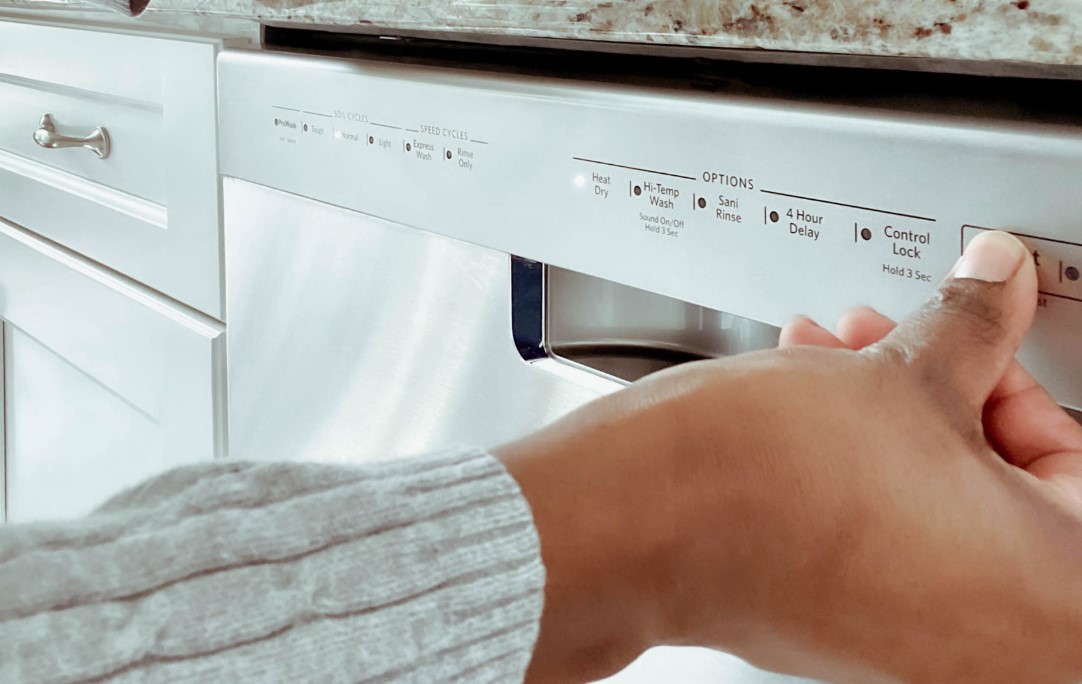
How Maintenance Affects Dishwasher Lifespan
Regular maintenance plays a critical role in extending the lifespan of a dishwasher. Neglecting simple upkeep tasks can lead to significant wear and tear over time. One of the most important maintenance activities is cleaning the filter, which traps food particles and debris. A clogged filter can cause the dishwasher to work harder, leading to increased strain on the motor and other components.
Another vital maintenance task is checking and cleaning the spray arms. These arms are responsible for distributing water throughout the machine. Obstructions in the spray arms can lead to uneven cleaning and increased cycle times, which can put additional stress on the appliance. Regularly inspecting and removing any blockages helps maintain optimal performance.
Inspecting the door seals is also essential. Worn or damaged seals can result in water leaks, potentially causing damage to the surrounding area and compromising the efficiency of the dishwasher. Regularly checking for wear and tear, and replacing seals when necessary, can prevent costly repairs and extend the appliance’s life.
Furthermore, using the appropriate detergent and maintaining proper loading techniques contribute to the longevity of a dishwasher. Overloading can interfere with the spray patterns and create strain on components, while incompatible detergents can cause excessive sudsing or residue build-up. Following manufacturer guidelines helps ensure effective cleaning and reduces the risk of damage.
Lastly, descaling the dishwasher periodically can prevent mineral build-up from hard water, which can adversely affect the heating element and other internal parts. Regular descaling protects these critical components and promotes overall efficiency. In conclusion, diligent maintenance can significantly impact the lifespan of a dishwasher, promoting consistent performance and reducing the likelihood of premature failure.
Best Practices for Daily Use to Prolong Life
To maximize the lifespan of your dishwasher, adhering to best practices during daily use is essential. These practices not only improve washing efficiency but also prevent unnecessary wear and tear.
Load Carefully
Proper loading is crucial for effective cleaning and maintaining the dishwasher’s health. Place larger items on the bottom rack, ensuring they do not block spray arms. Avoid overloading, as this can restrict water flow and lead to poor cleaning results. Ensure that cups and bowls face down to prevent water from accumulating inside them.
Utilize the Right Detergents
Select a high-quality detergent specifically designed for dishwashers. Using the wrong type can create excess suds or leave residues, causing clogging issues. Follow the manufacturer’s recommendations for detergent use and avoid the temptation to use more than necessary, as this can damage internal components over time.
Additionally, regularly clean the filter and maintain the spray arms to prevent buildup. Running the dishwasher on a maintenance cycle with a cleaning solution can also be beneficial. By following these best practices, you can significantly extend the life of your dishwasher.
Impact of Water Quality on Dishwasher Durability
The quality of water used in dishwashers can significantly influence their longevity and performance. Factors such as hardness, mineral content, and contaminants can affect various components of the appliance.
Hard water, which contains high levels of calcium and magnesium, often leads to the accumulation of limescale. This buildup can clog the spray arms and reduce their effectiveness, resulting in poor cleaning performance. Over time, the internal components of the dishwasher may also suffer from corrosion.
On the other hand, soft water can be more beneficial for dishwashers, but it may require the use of specific detergents to avoid excess sudsing. Additionally, excessively soft water can result in a lack of essential minerals, leading to the possibility of spotting on glassware.
Contaminants such as dirt, rust, or organic matter can also compromise the functionality of dishwashers. Ingress of these substances can lead to blockages and even damage to the dishwasher’s motor and filters.
To mitigate the negative impact of water quality on dishwasher durability, here are some recommendations:
- Consider installing a water softener if you have hard water. This device can reduce limescale buildup.
- Regularly clean the dishwasher filter to remove any debris that may have accumulated.
- Use recommended detergents that suit your water type to maximize cleaning efficiency.
- Perform a monthly maintenance check to identify and address any potential issues related to water quality.
By being mindful of water quality and taking appropriate precautions, you can enhance the durability of your dishwasher and ensure it operates efficiently for years to come.
Choosing the Right Dishwasher for Longer Lifespan
When selecting a dishwasher, consider its construction quality. Opt for models with stainless steel interiors instead of plastic, as they are more durable and resistant to stains and odors. Stainless steel also maintains temperature better, enhancing cleaning efficiency.
Look for reliable brands and read reviews to gauge user satisfaction and longevity. Established manufacturers often provide dependable warranties and customer service, which can be valuable if maintenance issues arise.
Energy efficiency plays a crucial role in longevity. Dishwashers with high Energy Star ratings consume less water and electricity, reducing wear on components and lowering operational costs over time. Such models tend to feature advanced technology that optimizes performance and minimizes stress on parts.
Pay attention to the dishwasher’s size and capacity. A model that is too small may need to run frequently, causing additional wear and tear. Conversely, an overly large dishwasher may not clean effectively when run with a small load. Choose a size that matches your household needs.
Consider the noise level of the dishwasher. Quieter models often employ improved insulation and advanced engineering, which can lead to better longevity. Excessive noise may indicate stress on the motor and other components, potentially shortening the lifespan.
Lastly, evaluate the washing cycles and features. Advanced models offer multiple cycles tailored to specific needs, enhancing cleaning performance while reducing unnecessary use of powerful cycles that can wear down the machine. A versatile dishwasher will cater to your requirements without overburdening its mechanics.
Seasonal Considerations for Dishwasher Care
Understanding the seasonal impacts on dishwasher performance can significantly extend its lifespan. Different times of the year can induce varying conditions that may influence how effectively your dishwasher operates. Assessing and adjusting care practices accordingly can prevent wear and tear.
Winter Care Tips
During colder months, ensure that your dishwasher remains clear of any water that could freeze inside the hoses or pump. If you live in an area where temperatures drop significantly, consider running your dishwasher on a regular basis to keep the internal components warm. Additionally, inspect the door seals for any signs of wear, as cold air can affect their integrity, leading to inefficiency and leaks.
Summer Maintenance Tips
In summer, higher humidity and temperatures can create a breeding ground for mold and mildew inside your dishwasher. Regularly clean the filter and check for food debris buildup to maintain optimal performance. Running the hot water cycle can help remove any odors that may develop in warmer conditions. Furthermore, ensure your dishwasher is placed in a well-ventilated area to promote drying and minimize moisture retention.
How Often to Run Your Dishwasher for Optimal Performance
To ensure the optimal performance of your dishwasher, the frequency of use plays a crucial role. Generally, it is advisable to run your dishwasher at least once every two to three days. This ensures that food residues do not dry and stick to the dishes, which can make them more challenging to clean over time.
Factors Influencing Frequency
The frequency with which you should run your dishwasher largely depends on household size and dish usage. For families with multiple members, daily operation may be necessary to keep up with the volume of dirty dishes. Conversely, for single-person households or those with less dish usage, operating the dishwasher every few days can suffice.
Additionally, consider the type of dishes you typically wash. If you frequently use items prone to staining, such as coffee mugs or plates with sauces, running the dishwasher more often can help maintain the cleanliness and longevity of your dishware.
Performance and Maintenance Tips
To enhance the performance and longevity of your dishwasher, it’s essential to establish a consistent running schedule. Make it a habit to run the dishwasher when it’s full but avoid overcrowding to allow water and detergent to circulate effectively. This practice not only ensures your dishes come out clean but also conserves energy and water.
Regular maintenance is vital; clean the filter and spray arms periodically to prevent clogs and maintain optimal water flow. This, combined with a strategic running schedule, will ensure your dishwasher operates efficiently for years to come.
Repair vs. Replace: When to Let Go of Your Dishwasher
Deciding whether to repair or replace your dishwasher can be challenging. A few key factors can guide your decision-making process. First, consider the age of the appliance. If your dishwasher is over ten years old, it may be more cost-effective to replace it rather than investing in repairs that could equal or exceed its current value.
Next, evaluate the cost of the needed repairs. A general rule of thumb is that if the repair costs more than half the price of a new unit, replacement is often the better option. For instance, if your dishwasher requires a $400 repair and a similar model costs $800, it may be wise to invest in a new machine.
Analyzing Performance Issues
Pay attention to recurring issues. If your dishwasher frequently breaks down or struggles to clean dishes effectively, these problems may indicate that your appliance is nearing the end of its lifespan. Increased maintenance costs and operational inefficiency can significantly impact your overall satisfaction and time savings.
Energy Efficiency and Features
Another consideration is energy efficiency. Older models typically consume more water and electricity compared to newer, ENERGY STAR-rated machines. Upgrading can lead to long-term savings on utility bills, offsetting the initial purchase cost. Additionally, modern dishwashers often come with improved features and technology that enhance cleaning performance and convenience.
Q&A — How long do dishwashers last :
What is the average lifespan of a dishwasher?
The average lifespan of a dishwasher typically ranges from 9 to 12 years. Factors influencing this duration include the quality of the appliance, frequency of use, and proper maintenance. High-quality brands may last longer, while cheaper models might need replacement sooner. Regular maintenance, such as cleaning filters and checking hoses, can also contribute to extending the lifespan.
How can I extend the life of my dishwasher?
To extend the life of your dishwasher, consider several maintenance practices: regularly clean the filter to prevent clogs, use appropriate detergents to minimize build-up, and run the appliance on a regular schedule to keep the parts functioning well. It’s also advisable to check and tighten any loose hoses and connections and avoid overloading the machine, which can strain its components.
What signs indicate that my dishwasher is failing?
Signs that your dishwasher may be failing include unusual noises during operation, water leaks on the floor, dishes not coming out clean, and persistent error codes on the display. Additionally, if it takes longer than usual for cycles to complete or fails to fill/drain properly, these could indicate underlying issues that may require repair or replacement.
Is it worth repairing an old dishwasher or should I buy a new one?
Deciding whether to repair or replace an old dishwasher depends on several factors. If the cost of repairs is less than half the price of a new unit and the dishwasher is still within its expected lifespan, repairs may be worthwhile. However, if your appliance is over 10 years old, frequently breaks down, or has modern inefficiencies and you anticipate high repair costs, it might be more sensible to invest in a new dishwasher. Additionally, newer models often have improved energy efficiency, which can save money on utility bills over time.
APPLIANCE REPAIR in California — fast, reliable, and affordable service that brings your home appliances back to life. Get expert help today and enjoy worry-free comfort!