Bosch dishwasher repair knowledge can save both time and money when issues arise, despite these appliances being renowned for their reliability and efficiency. Having a well-functioning dishwasher can significantly simplify your daily chores. However, like any other appliance, they can encounter problems over time. Understanding common issues and their solutions is key to timely maintenance.
This article serves as a comprehensive guide for troubleshooting and repairing Bosch dishwashers. We will explore various issues that users may face, such as inadequate cleaning, leaks, unusual noises, and error codes. By identifying these problems early and understanding their potential causes, you can take corrective action before they escalate.
Equipped with the right knowledge, you can effectively diagnose and address minor malfunctions without needing to call a professional. In this guide, you will find practical tips and step-by-step instructions to help you restore your Bosch dishwasher to optimal performance. Let’s dive into the specifics of troubleshooting and repair, empowering you to tackle any issues with confidence.
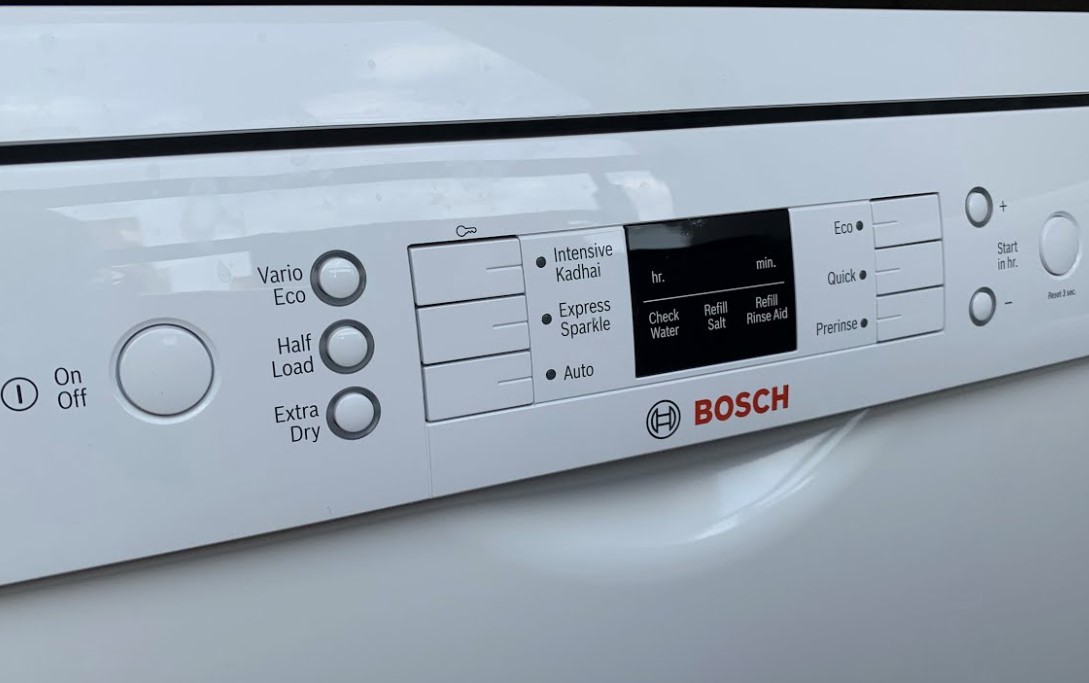
Bosch Dishwasher Repair: Troubleshooting Tips and Repair Guide
If you are experiencing issues with your Bosch dishwasher, troubleshooting can help identify and resolve problems effectively. Below are some common issues and their respective solutions.
Common Problems and Solutions
1. Dishwasher Not Starting: Ensure that the door is fully closed and latched. Check the power supply by ensuring the appliance is plugged in and the circuit breaker is not tripped. If the control panel is nonresponsive, try resetting the dishwasher by turning it off for a few minutes.
2. Water Not Draining: If your dishwasher is not draining, check the drain filter for clogs. Remove any debris that might be blocking the filter or drain hose. Ensure that the garbage disposal (if connected) is clear as well. Sometimes, a kink in the drain hose can also cause drainage issues.
Maintenance Tips
1. Regular Cleaning: Regularly clean the filter and spray arms to prevent food debris buildup. This maintenance ensures optimal performance and extends the life of your dishwasher.
2. Check Seals and Gaskets: Inspect the door seal for wear or damage. A compromised seal can lead to leaks. Replace any damaged gaskets to maintain proper function and prevent water leakage.
For more complex issues, referring to the user manual or contacting a certified technician is recommended. Regular maintenance and prompt troubleshooting can enhance the longevity and functionality of your Bosch dishwasher.
Identifying Common Bosch Dishwasher Issues
Bosch dishwashers are known for their reliability, but like any appliance, they can encounter problems. Identifying these issues early can save you time and money. Here are some common problems and their potential causes.
| Issue | Possible Causes |
|---|---|
| Dishwasher not starting | Power supply issues, door latch problems, or a faulty control panel. |
| Water not draining | Clogged filter, blocked drain hose, or malfunctioning pump. |
| Poor cleaning results | Dirty spray arms, insufficient detergent, or incorrect loading of dishes. |
| Strange noises | Foreign objects in the pump, worn motor bearings, or loose spray arms. |
| Water leaking | Worn door seals, loose connections, or damaged hoses. |
| Dishwasher not draining after cycle | Blocked drain filter, faulty drain pump, or improper installation. |
| Cycle not completing | Power interruptions, faulty sensors, or an error in the control board. |
If you encounter any of these issues, diagnosing the problem promptly can lead to effective troubleshooting. Regular maintenance, such as cleaning filters and inspecting hoses, can also help prevent many of these common issues.
Understanding Error Codes and Their Meanings
Bosch dishwashers are equipped with advanced technology that allows them to communicate issues through error codes. Understanding these codes is crucial for efficient troubleshooting and repair. Each code corresponds to a specific malfunction or operational issue, providing insight into what needs to be addressed.
Common error codes include:
— EA: This code indicates an appliance fault related to the electronic control system. It may suggest a wiring issue or a failure in internal components. Checking the connections and inspecting the circuit board may be necessary.
— H1: This code represents a water heating issue. It usually means that the dishwasher cannot heat the water to the required temperature. Possible causes include a defective heating element or a malfunctioning temperature sensor.
— F1: This indicates a problem with drainage. The dishwasher may not be draining properly due to clogs in the filter or drain hose. Inspecting these areas for blockages can often resolve the issue.
— E15: This code signifies a water leak detection. When this error arises, the dishwasher has sensed water accumulation beneath the unit. Inspect for leaks around hoses and seals, and ensure the unit is level to prevent further leaks.
When encountering an error code, it is important to address it promptly. Ignoring these codes can lead to more significant issues or even permanent damage to the appliance. Consult the user manual for specific meanings and recommended actions for each error code associated with your Bosch dishwasher model.
If the troubleshooting steps do not resolve the error, consider contacting a professional technician. Their expertise can ensure that the dishwasher functions optimally and reduces the risk of recurring problems.
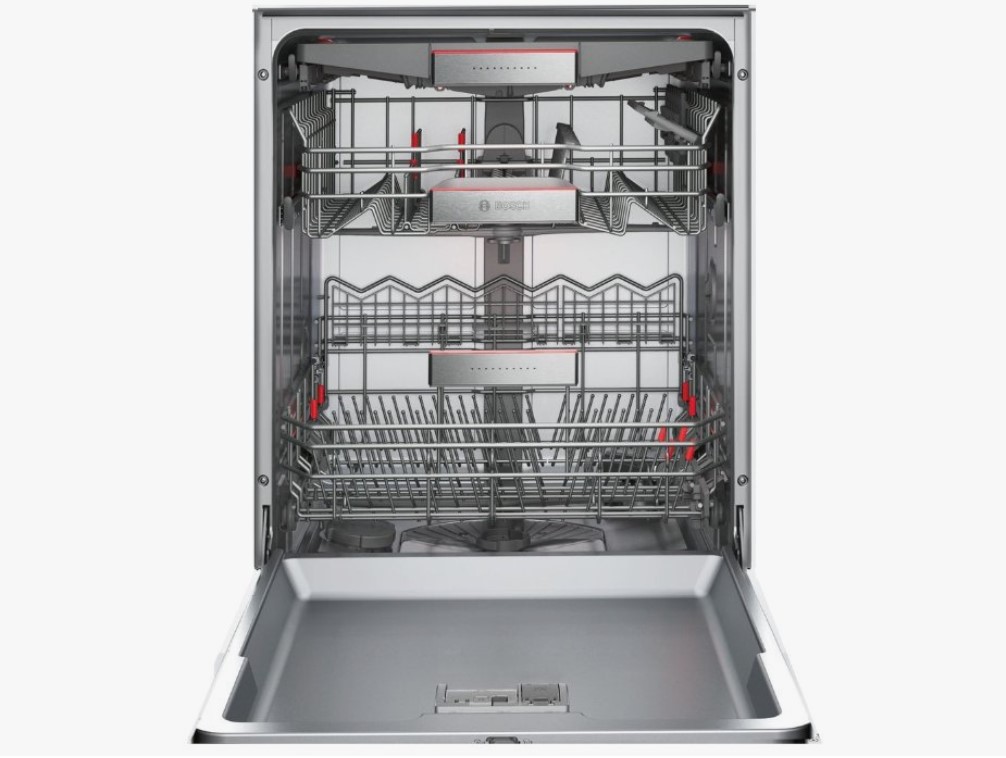
Performing Basic Maintenance for Peak Performance
Regular maintenance of your Bosch dishwasher helps ensure optimal performance and longevity. By following a few simple steps, you can prevent common issues and enhance the efficiency of your appliance.
- Clean the Filter:The dishwasher filter traps food particles and debris. A clogged filter can lead to poor cleaning performance. Remove the filter periodically, rinse it under warm water, and scrub gently with a soft brush if necessary.
- Check and Clean Spray Arms:The spray arms distribute water for effective cleaning. Ensure that the holes in the spray arms are not blocked. Remove them and clean with warm, soapy water, or use a toothpick to clear any obstructions.
- Inspect the Door Seal:The door seal prevents leaks. Regularly inspect the rubber gasket for cracks or debris. Wipe it clean with a damp cloth to maintain a tight seal.
- Run a Cleaning Cycle:Use a dishwasher cleaner to eliminate grease and limescale buildup. Run an empty cycle with the cleaning agent once every few months for a thorough clean.
- Maintain Water Supply:Ensure that the water inlet valve is open and unblocked. Check hoses for any bends or kinks that may restrict water flow.
- Check Drainage System:Inspect the drainage hose for clogs. Ensure that it is not kinked and is positioned correctly. If necessary, run a hose cleaner to clear any blockages.
- Monitor Detergent Usage:Using the right type and amount of detergent is vital for performance. Follow manufacturer recommendations and adjust according to your water hardness.
- Inspect Electrical Components:Periodically check that the electrical connections are secure. Look for any signs of wear on the power cord and plug.
Engaging in these maintenance tasks can significantly extend your Bosch dishwasher’s life and ensure it performs at its best. Schedule these maintenance checks regularly for continuous optimal operation.
How to Clean the Filter in Your Bosch Dishwasher
Keeping your Bosch dishwasher clean is essential for maintaining its efficiency and ensuring clean dishes. One vital component that requires regular attention is the filter. A clogged filter can lead to poor cleaning results and unpleasant odors. Here’s a straightforward guide on how to clean the filter in your Bosch dishwasher.
Step-by-Step Cleaning Process
1. Turn Off the Dishwasher: Before starting, make sure to turn off your dishwasher and unplug it from the power source for safety.
2. Remove the Bottom Rack: Take out the bottom rack to provide easier access to the filter assembly. This will also give you more room to work while cleaning.
3. Locate the Filter: The filter in your Bosch dishwasher is usually located at the bottom section. It consists of a coarse filter and a fine filter. Gently twist and pull it out to remove it from the appliance.
4. Rinse the Filter: Take the filter to the sink and rinse it under warm running water. Use a soft brush or cloth to scrub any stubborn debris or buildup. Avoid using any harsh abrasive materials that could damage the filter.
5. Inspect for Damage: While cleaning, check the filter for any signs of wear or damage. If you notice cracks or severe degradation, it may be time to replace the filter.
Reinstalling the Filter
6. Reassemble and Install the Filter: Once clean and dry, place the filter back into its position in the dishwasher. Make sure it is securely placed and twist to lock it in position.
7. Replace the Bottom Rack: After reinstalling the filter, put the bottom rack back in the dishwasher.
8. Run a Cleaning Cycle: After cleaning the filter, it’s a good idea to run a short cleaning cycle without dishes to ensure any remaining debris is flushed out and the appliance is operating at its best.
Regularly cleaning your dishwasher filter will help maintain its performance and extend its lifespan. It’s advisable to check the filter monthly and clean it as needed, especially if you use your dishwasher frequently.
Troubleshooting Water Drainage Problems
Water drainage issues in Bosch dishwashers can lead to inefficient cleaning and potential damage to the appliance. Identifying the source of the problem is crucial for proper resolution. Here are some common causes and solutions for drainage issues.
Check the Drain Filter and Trap
The first step in addressing drainage problems is inspecting the drain filter and trap for clogs. Typically located at the bottom of the dishwasher, these components can accumulate food particles, grease, and debris over time. To clean, remove the filter and trap, rinse them under warm water, and gently scrub any stubborn residue with a soft brush. Ensure they are securely reinstalled before testing the dishwasher.
Inspect the Drain Hose
The drain hose is responsible for channeling wastewater out of the dishwasher. A kinked, blocked, or improperly positioned hose can impede drainage. Check the hose for visible bends or obstructions. If needed, disconnect the hose from both the dishwasher and the sink plumbing, then flush it with water to remove any blockages. Reattach the hose and ensure it is correctly routed to avoid future issues.
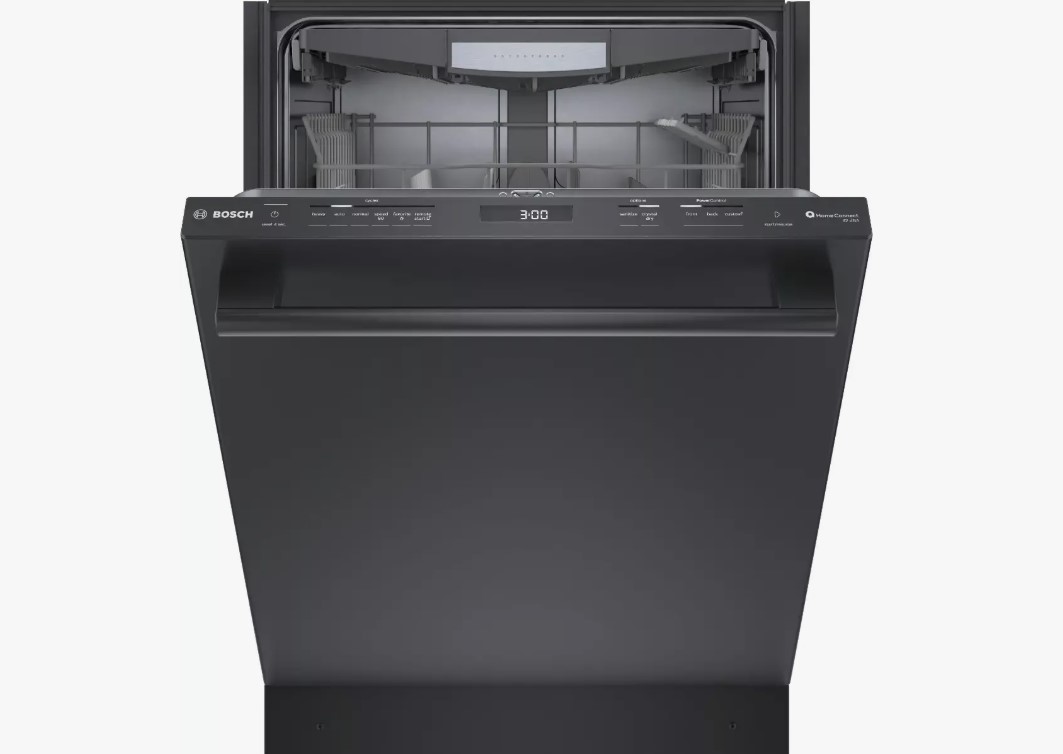
Resolving Issues with Door Seals and Hinges
The door seals and hinges of your Bosch dishwasher play crucial roles in maintaining efficiency and preventing leaks. Addressing issues with these components requires careful inspection and methodical troubleshooting to ensure the longevity of your appliance.
Common Problems with Door Seals
Door seals, also known as gaskets, are designed to create a tight barrier when the dishwasher door is closed. Over time, these seals can wear out, become damaged, or accumulate debris, leading to potential leaks. Here are typical problems and resolutions:
| Problem | Solution |
|---|---|
| Visible cracks or tears in the seal | Replace the damaged seal with a new one. Make sure to buy a seal compatible with your Bosch model. |
| Debris buildup on the seal | Clean the seal using a soft cloth and mild detergent. Ensure it is free of food particles or hard water deposits. |
| Seal not fitting properly | Check for warping or misalignment. If necessary, reposition the seal or replace it if it’s deformed. |
Addressing Hinge Problems
The hinges are essential for the smooth operation of the dishwasher door. If the door does not open or close correctly, it may indicate hinge issues. Below are common hinge-related problems and their solutions:
| Problem | Solution |
|---|---|
| Door doesn’t close securely | Inspect the hinges for any obstructions or damage. Lubricate them if necessary and ensure they are attached securely. |
| Hinge is squeaking or sticking | Apply a few drops of food-safe lubricant to the hinge to reduce friction. Open and close the door to distribute the lubricant. |
| Hinge is broken or bent | Replace the hinge promptly. Purchase a compatible hinge for your dishwasher model to ensure proper fit and function. |
Regular maintenance of door seals and hinges will prolong your Bosch dishwasher’s performance. If issues persist after performing these troubleshooting steps, consult with a professional technician.
Checking and Replacing the Spray Arms
The spray arms in your Bosch dishwasher play a crucial role in ensuring that your dishes come out clean. Over time, these arms can become clogged with debris or damaged, which can lead to poor washing performance. Regular inspection and maintenance of the spray arms are essential for optimal functionality.
Inspecting the Spray Arms
Start by removing the spray arms from the dishwasher. Most models allow for simple detachment by unscrewing or lifting them off their mounts. Once removed, check for any visible blockages, such as food particles or mineral deposits. Use warm water and a soft brush to clean the spray arm’s holes, ensuring that water can flow freely through them. This inspection should be done every few months to maintain washing efficiency.
Replacing the Spray Arms
If you notice that the spray arms are damaged or if cleaning does not improve performance, it may be time to replace them. Purchase the correct replacement arms compatible with your Bosch dishwasher model. To install new spray arms, simply reverse the removal process: place the new arm on the mount and secure it firmly. Make sure the spray arms are correctly aligned to avoid any operational issues once the dishwasher is running.
How to Address Heating Element Failures
Heating element failures in Bosch dishwashers can lead to inadequate drying and poor cleaning results. Identifying and addressing these issues is crucial for optimal dishwasher performance. Here is a step-by-step guide to troubleshoot and resolve heating element problems.
Symptoms of a Faulty Heating Element
Before diving into repairs, it’s essential to recognize the signs indicating a heating element failure:
- Dishes remain wet after the drying cycle.
- Food residues are left on dishes post-wash.
- The dishwasher does not reach the desired temperature during the wash cycle.
- Error codes related to heating appear on the display panel.
Troubleshooting Steps
Follow these steps to diagnose and repair heating element issues:
- Check Power Supply: Ensure that the dishwasher is receiving power. Inspect the circuit breaker and reset it if necessary.
- Inspect the Heating Element: Locate the heating element, usually found at the bottom of the dishwasher. Look for visible signs of damage, corrosion, or breaks.
- Test the Heating Element: Use a multimeter to measure the resistance of the heating element. It should read between 10-30 ohms. If it reads infinity, the element is faulty and requires replacement.
- Examine Connections: Ensure that the connections to the heating element are secure and free from corrosion. Loose or corroded connections can interrupt the electrical flow.
- Check the Thermostat: The thermostat regulates the temperature in the dishwasher. A malfunctioning thermostat can cause heating issues. Test it for continuity with a multimeter; if faulty, replace it.
- Inspect the Control Board: A faulty control board may prevent the heating element from functioning properly. Examine it for any burnt components or damage.
If troubleshooting does not resolve the issue, consider contacting a professional technician for assistance.
Addressing heating element failures promptly will improve the efficiency and functionality of your Bosch dishwasher, ensuring clean and dry dishes after every wash cycle.
Fixing Problems with the Detergent Dispenser
The detergent dispenser in your Bosch dishwasher plays a critical role in ensuring that dishes come out clean. Issues with the dispenser can lead to poor washing results. Here are steps to troubleshoot and fix common problems.
First, check for clogs. Over time, detergent residue can build up in the dispenser, preventing it from opening properly. Remove the dispenser cover and clean it thoroughly with warm water and a soft cloth. Ensure that any holes or openings are free from blockages.
Next, inspect the spring mechanism. The dispenser’s opening latch relies on a spring to function correctly. If the spring is damaged or broken, the dispenser may not open at all. Replace the spring by disassembling the unit if necessary, following the manufacturer’s guidelines.
Additionally, ensure that the dispenser is aligned properly. Misalignment can occur during loading, especially if large items are blocking the door. Adjust the placement of dishes to prevent the dispenser from being obstructed.
If the dispenser remains stuck or does not open during the wash cycle, there may be a problem with the dishwasher’s control board. Check for any error codes and consult the user manual for troubleshooting specific issues related to the control board.
Finally, consider the detergent itself. Using the wrong type or excessive detergent can cause issues with the dispenser. Make sure to use detergent recommended for your dishwasher and follow the dosage instructions provided by the manufacturer.
Steps to Repair a Bosch Dishwasher That Won’t Start
If your Bosch dishwasher refuses to start, follow these troubleshooting steps to identify and resolve the issue.
1. Check Power Supply
Ensure the dishwasher is plugged into a functioning outlet. Test the outlet by plugging in another device. If the outlet is operational, check the dishwasher’s power cord for damage. If you have access to the circuit breaker, verify that the circuit hasn’t tripped and reset it if necessary.
2. Door Latch Inspection
The dishwasher will not start if the door isn’t properly closed or latched. Inspect the door latch for any obstructions or damage. If the latch appears faulty, it may need replacement for the dishwasher to function correctly.
Next, examine the control panel. Sometimes, the control lock feature may be activated. Refer to your user manual for instructions on deactivating it, usually involving pressing and holding a specific button combination.
3. Examine the Control Board
If the previous steps haven’t resolved the issue, the control board may be faulty. Look for visible signs of damage, such as burnt components or loose connections. If you suspect the control board is defective, consider consulting a professional technician for replacement.
Additionally, check for any error codes displayed on the control panel. Refer to the user manual to interpret these codes, as they can point directly to the underlying issue.
4. Inspect Water Supply and Drainage
A dishwasher may refrain from starting if there is no water supply. Ensure the water inlet valve is open and the hose is not kinked. Also, check the filters for clogs, which can impede water flow, and clean them if necessary.
If the water drains improperly, it may prevent the dishwasher from starting. Inspect the drain hose and make sure it is clear of clogs. Running a cycle with a dishwasher cleaner can assist in maintaining proper drainage.
5. Test the Float Switch
The float switch controls the water level in the dishwasher. If it is stuck or malfunctioning, the dishwasher may think it is full of water, preventing it from starting. Check the float for debris and ensure it moves freely. If it appears damaged, replacement might be necessary.
After completing these steps, try to start the dishwasher again. If it still does not work, contacting a certified Bosch technician could be the best course of action for more intricate repairs.
Testing and Replacing the Bosch Dishwasher Motor
The motor of your Bosch dishwasher is essential for the machine’s operation, as it drives the wash pump and the spray arms. If your dishwasher is not cleaning dishes properly or isn’t starting at all, the motor may be faulty. This section outlines the steps to test and replace the dishwasher motor effectively.
Testing the Motor
Before you proceed with testing the motor, ensure the dishwasher is unplugged for safety. Begin by accessing the motor location, usually found at the bottom of the unit. Remove the lower spray arm and the cover panel to expose the motor.
Using a multimeter, set it to the resistance (ohms) setting. Disconnect the wiring harness from the motor and probe the motor terminals with the multimeter. A functional motor should read between 10 to 40 ohms. If the reading shows infinite resistance or 0 ohms, the motor is likely defective and requires replacement.
Additionally, check for any visible signs of damage such as burnt wires or clogged components. If the motor is humming but not turning, this could also indicate blockage or failure within the motor assembly.
Replacing the Motor
If testing confirms that the motor is faulty, follow these steps for replacement. Order a compatible replacement motor specific to your Bosch dishwasher model. Once you have the new motor, return to the exposed area.
Begin by removing the old motor by disconnecting the wiring harness fully and unscrewing any mounting screws that hold it in place. Carefully lift out the motor without damaging surrounding components.
Install the new motor by positioning it correctly in the mounting bracket. Secure the motor with screws and reconnect the wiring harness, ensuring all connections are firm and secure. Reassemble the cover panel and lower spray arm.
Finally, restore power to the dishwasher, and run a short cycle to verify that the new motor operates correctly. Check for any unusual noise or leaks during the operation. If all functions are normal, your Bosch dishwasher should now work effectively.
When to Seek Professional Repair Services
Maintaining your Bosch dishwasher is essential for optimal performance, but there are situations where DIY troubleshooting might not suffice. Knowing when to seek professional repair services can save you time, money, and further damage to your appliance.
Signs Indicating the Need for Professional Assistance
- Persistent Error Codes: If your dishwasher displays error codes that you cannot resolve despite following the manufacturer’s troubleshooting guide, it’s time to call in an expert.
- Unusual Noises: Loud or unfamiliar sounds during operation can suggest mechanical problems. Grinding, rattling, or squealing noises often indicate a malfunction requiring professional diagnosis.
- Water Leaks: If you notice pooling water around your dishwasher, it may indicate a seal or hose issue that needs professional attention to prevent water damage to your home.
- Poor Cleaning Performance: When your dishes consistently come out dirty, even after trying different cycles and settings, it may point to underlying issues, such as a faulty spray arm or pump failure.
Complex Repairs Beyond DIY Capabilities
Some repairs should always be handled by professionals due to their complexity:
- Electrical Issues: If you suspect faulty wiring or components, it’s crucial to leave this work to professionals to avoid safety hazards.
- Internal Component Replacement: Parts such as the motor, control board, or pump may require specialized tools and expertise for replacement.
- Warranty Considerations: If your dishwasher is still under warranty, attempting a DIY fix could void it. In such cases, professional repair is advisable to preserve your warranty.
When in doubt, it is always better to consult a qualified technician to ensure your Bosch dishwasher is repaired correctly and efficiently.
Q&A — Bosch dishwasher repair:
What are the common issues that can arise with Bosch dishwashers?
Bosch dishwashers can experience a variety of problems, including issues with not starting, improper cleaning, not draining correctly, or displaying error codes. Some common reasons may include a blocked filter, malfunctioning door latch, or issues with the water supply. Regular maintenance such as cleaning the filter and checking the spray arms can help prevent these problems.
How can I troubleshoot a Bosch dishwasher that won’t start?
If your Bosch dishwasher isn’t starting, first check to see if it’s plugged in and that the circuit breaker hasn’t tripped. Ensure that the door is properly closed, as many Bosch models won’t start unless the door is sealed. Additionally, inspect the control panel for any blinking lights that may indicate an error code. If these steps don’t resolve the issue, consulting the manual for specific troubleshooting steps related to your model can provide further guidance.
What should I do if my Bosch dishwasher is not cleaning dishes properly?
When dishes come out dirty from a Bosch dishwasher, it’s important to check several factors. Verify that the spray arms are not clogged or obstructed and that water is reaching them effectively. Also, examine the detergent dispenser to ensure it is functioning correctly and use the appropriate type of detergent. Additionally, check the loading techniques; overcrowding can inhibit water flow. If these do not resolve the issue, running a cleaning cycle with a dishwasher cleaner can help remove built-up residue.
How can I fix a Bosch dishwasher that is not draining?
If your Bosch dishwasher isn’t draining, start by checking the filter for debris or food particles that could block drainage. Look for any kinked or blocked hoses attached to the dishwasher. Additionally, inspect the drain pump for damage or obstructions. Running a cycle without dishes can help determine if the issue persists in an empty state. If problems continue, you may need to consult a technician to evaluate any internal issues.
APPLIANCE REPAIR in California — fast, reliable, and affordable service that brings your home appliances back to life. Get expert help today and enjoy worry-free comfort!